Related: Treadmill Deck Length: How to Measure Your Stride Before You Buy
I bought my first treadmill for the same reason most of my clients do. Austin weather. The summers got worse, my knees got louder, and the question I kept getting from runners and walkers alike was always the same one: what treadmill should I buy for my apartment? I did not have an answer I trusted, because I had never run on a single one of them. So I bought a cheap foldable machine for my 680-square-foot living room and started testing the way I coach, one rep at a time, logged, no shortcuts. I have since unboxed, folded, wheeled, and run on more than 30 machines in that same small apartment.
That is where this list of home treadmills for small apartments comes from. Four machines, four honest answers, and one rule I apply to every single one of them: your stride decides, not the spec sheet. If your stride does not fit the deck, nothing else about the machine matters. Not the screen. Not the app. Not the incline.
Here is the order I check things in. Deck length first, because a short belt will quietly shorten your gait. Noise second, because a motor you can hear through the wall is a failed purchase no matter how fast it goes. Fold and move third, because folding only counts if you can actually wheel the thing out of the way once it is folded. Price last, because a treadmill you never unfold is the most expensive piece of furniture in your apartment.
None of these four machines are bad. They are four different answers to the same question, and the right one depends on whether you walk, jog, or actually run.
Best Overall: Sunny Health & Fitness Fully Assembled Auto Incline Treadmill for Home Gym
This is the machine I point most people to, and the reason is boring. It does the whole job. Walking on a conference call, jogging a couple of miles after work, taking on a real grade when you want your legs to work. The auto incline is the part that matters most to me, and I get into why further down. A machine that changes grade for you mid-session is a different experience from one where you stop, get off, and fiddle with a riser.
Fully assembled means exactly that. It shows up built, which is a genuine gift if you have ever spent a Saturday with an Allen wrench and a set of instructions translated by someone who has clearly never seen a treadmill. The trade-off is the box. It is heavy and it is big, so line up a second person and a clear path before it arrives.
This is not the quietest machine in this group, and it is not small. It is a real treadmill that lives in a real room, so measure the spot twice and think about the ceiling if you plan to run on an incline. But if you want one machine that covers walking and running without making you choose, start here.
Best for Small Spaces: Treadmill for Home with 20% Auto Incline, Walking Pad with Handle Bar
Most walking pads are exactly what they sound like: a slim belt with a motor and no console, and you balance on them like you are standing on a moving sidewalk. This one adds the handle bar, and that single addition changes the machine. You have something to hold, which means you can walk longer, walk faster, and get your steps in without staring at your feet.
The 20 percent auto incline is the other thing that separates it from the pack. Incline blocks are the tell on a budget machine. When the tilt comes from plastic risers under the deck, they wobble slightly and never inspire a ton of confidence. A motorized incline is a different category of machine, even at the small end of the price range.
Be honest with yourself about what this is. It is a walking machine that handles a light jog. If your stride is long and you want to run, you need a deck that fits you, and most pads do not have one. Buy this to walk, to add grade, to get your steps in during a call, and to tuck it into a corner you did not think you had. Do not buy it expecting a running treadmill.
The One Everyone Asks About: NordicTrack T Series Treadmills: T5, T6.5s, T7, T10, T16
NordicTrack is the name people come in already knowing, and the T Series is why. The lineup runs from the smaller T5 up through the T16, which means there is a version for a walker who wants a real deck and a version for someone training for a half marathon. If you have already decided you want a running treadmill and you want guided workouts to go with it, this is the family to shop.
Two things, honestly. First, it is a lot of machine for a small living room. A running deck is longer and heavier than a folding pad, and heavier is the spec that matters when you are the one moving it. Second, the coaching content is a subscription, not a free bonus. Budget for the membership the same way you budget for the machine, because the app is the reason most people buy into this ecosystem in the first place.
If you are a runner with a dedicated corner, this is a straightforward yes. If you are a walker in 500 square feet, you are paying for capability you will never use.
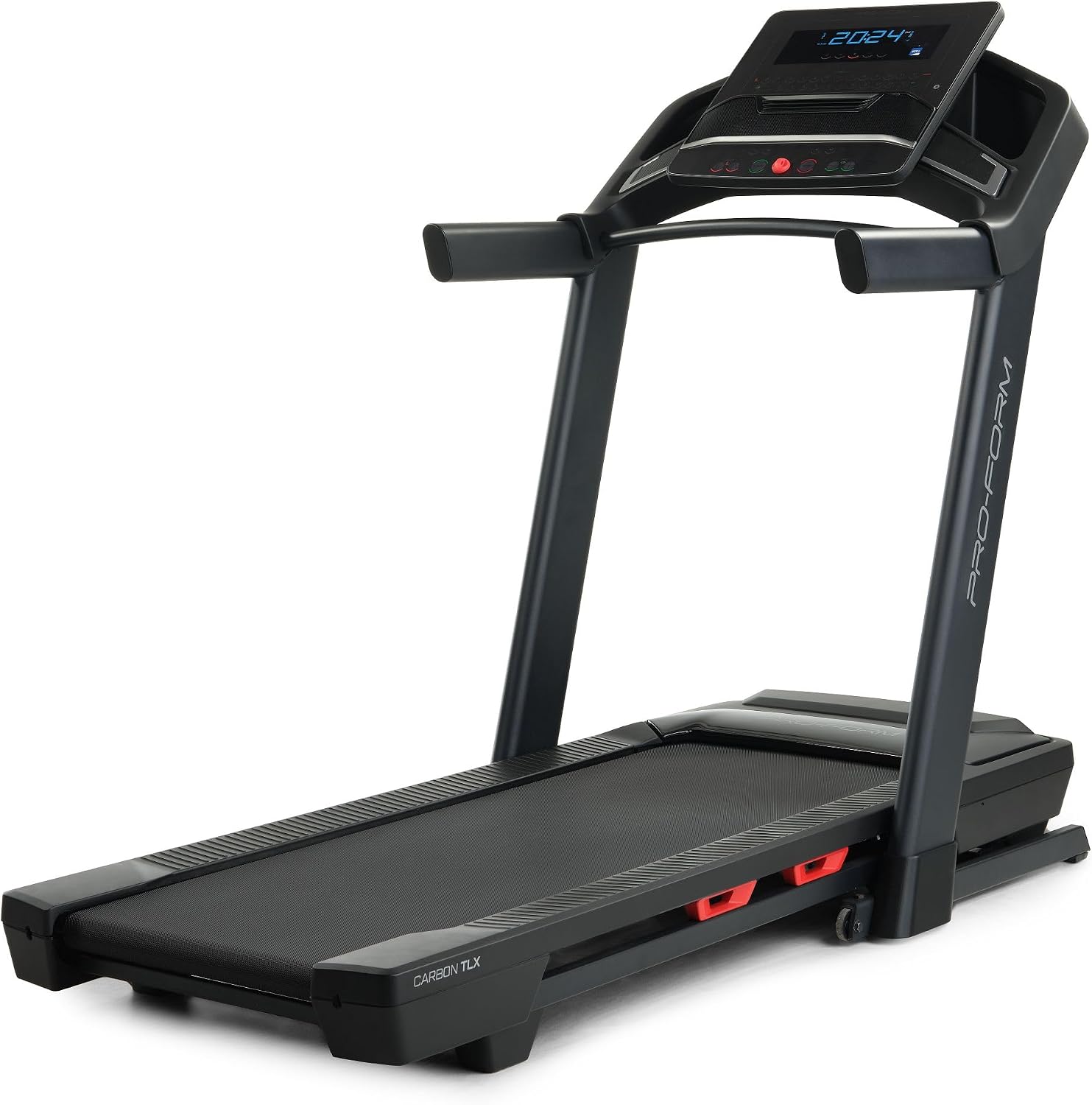
Best Middle Ground: ProForm Carbon Treadmills
The Carbon line is the middle ground, and I mean that as a compliment. It folds, it handles a real running stride better than a pad, and it is a less intimidating way into connected fitness than jumping straight to the biggest machine in the store. If you are coming out of beginner-hood and you want structure, this is the one I would look at after the Sunny.
The same caveat applies here: the training content lives behind a membership. I have a standing complaint about apps that paywall the only content worth using, and this category is guilty of it. Go in with your eyes open about the subscription, and the machine itself is a reasonable buy.
One practical note that applies to every folding treadmill on this page. Check the folded height against the space you actually have, not the space you wish you had. A machine that folds to a height that clears your closet but not your hallway is still a machine that lives in your living room.
How I test
I have a rule for myself, and it comes from a runner I coached years ago who bought a cheap treadmill, hated it, and quit. I have never recommended a machine I have not run on myself since.
Every machine gets at least two weeks in a real living room, not a showroom. I fold it and move it at least ten times, because folding is only real if the wheels work and the weight is manageable. I test the deck at a full running stride, not a walk, because a walk will make almost any belt feel fine. I run a conference call at walking speed and listen for the motor. I put my hand on the incline system before I trust it, because the incline is the tell on a budget machine. And budget picks get a belt wear and wobble check after 200 miles, because a belt that starts slipping in month three is not a bargain at any price.
Analysis and test results
Deck length is the first spec, not the last
Ask what your stride is before you ask what the top speed is. The distance from one footfall to the next is the number that decides whether a machine feels like running or like taking smaller than normal steps. Short decks are fine for walking. Runners need room to actually stride out, and if the belt is short you will shorten your gait without noticing, which is how a treadmill wrecks your form and your hips. That is why a walking pad with a handle bar is a great walking machine and a bad running machine, and why the T Series and the Carbon line exist at all.
Noise beats horsepower
Quiet matters more than horsepower at home. You are not racing anyone. A motor that makes you turn up the TV is a failed purchase no matter how fast it goes, and "whisper quiet" printed on a box means nothing until you have run on the machine at walking speed while someone else is on a call. This is the easiest thing in the world to get wrong from a product page.
The incline is the tell
Look at how the machine tilts. If the incline comes from plastic blocks under the deck, they wobble slightly and the rest of the machine is probably cutting corners too. Motorized auto incline is the upgrade that changes how you train, because grade is what makes a treadmill session worth doing on a day you would rather be outside. It is also the feature people still use after the first month, which is more than you can say for most of the console.
Folding only counts if you can move it
Every folding treadmill folds. The question is whether you can wheel it out of the way, alone, in the space you actually have. Wheels and weight are the real spec. This is why I fold and move every machine at least ten times before I write about it, and why the smallest machine in this group earns its spot despite being the least capable one here.
The safety lanyard
The magnetic safety lanyard is non-negotiable. It is the clip that kills the belt if you fall, and it is the one safety feature I check on every machine before I run on it. Clip it on. Every time.
The treadmill reference table
This is the table I keep open when someone asks me what to buy. Same four machines, same questions: what it is for, what to watch out for, and what it costs. Prices move, so check the current listing rather than trusting a number I typed months ago.
| Machine | Best for | Watch out for | Price |
|---|---|---|---|
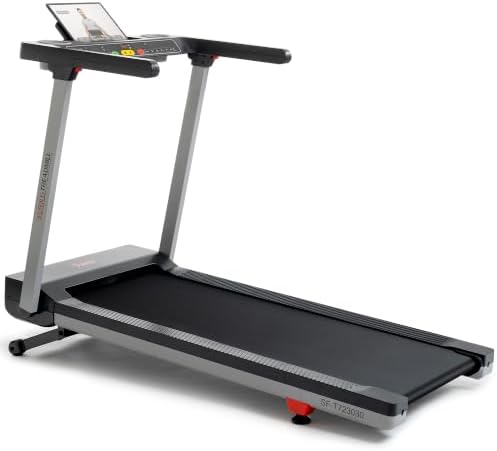 Visit on Amazon → Sunny Health & Fitness Fully Assembled Auto Incline Treadmill |
One machine for walking and running | It is a real treadmill, so measure the floor space and get help carrying it in | $699.99 |
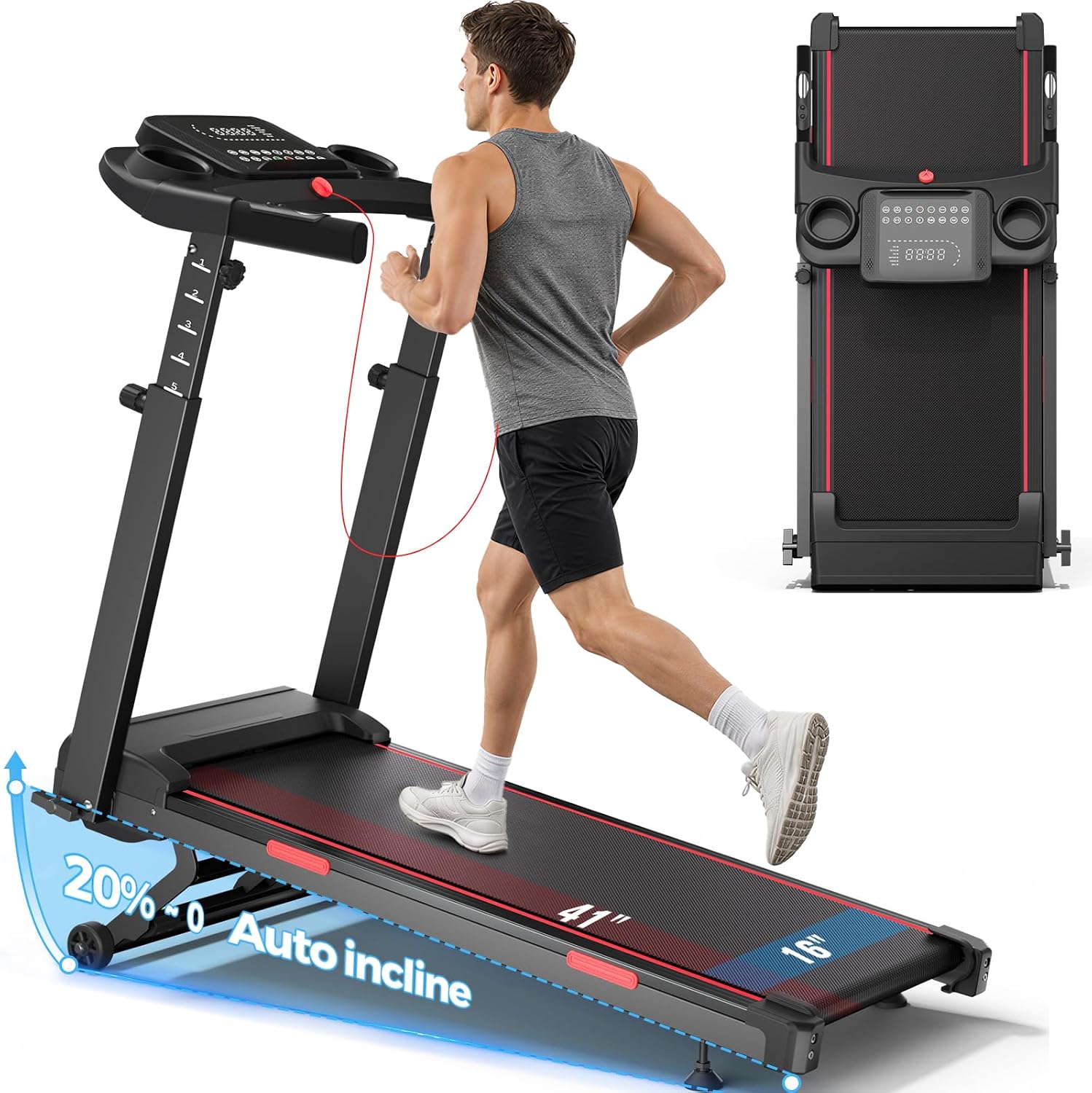 Visit on Amazon → Treadmill for Home with 20% Auto Incline, Walking Pad with Handle Bar |
Walkers and light joggers in tiny rooms | A pad is a pad, so do not expect a running deck | Check current Amazon price |
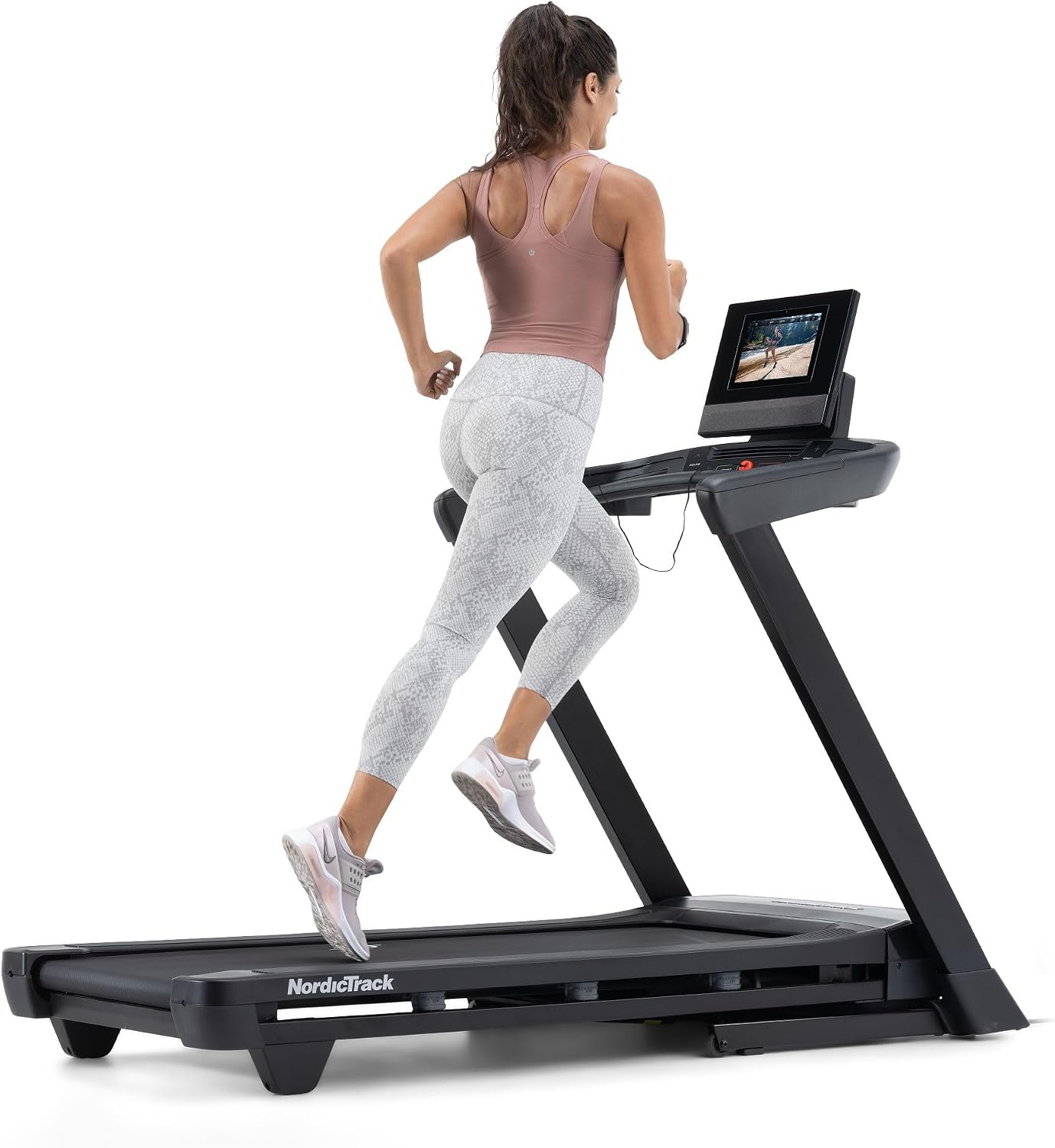 Visit on Amazon → NordicTrack T Series Treadmills |
Runners who want guided training | Size and weight, plus the membership behind the coaching | $999.00 |
 Visit on Amazon → ProForm Carbon Treadmills |
A foldable step up from beginner-hood | The folded height, checked against your actual closet or hallway | $999.00 |
Full-size gym treadmills are not home treadmills
If you are looking at a full-size gym treadmill, stop. In a small living room it is an expensive coat rack. I have watched people buy the biggest machine in the store and use it four times. The machine that gets used is the one you can unfold without rearranging furniture, and that is true whether you spend the budget number or the brand-name number.
Should you buy the Sunny Health & Fitness Fully Assembled Auto Incline Treadmill?
Yes, for most homes. It arrives assembled, the auto incline is the feature you will actually use, and it covers walking and running in one machine. It is not the quietest treadmill in this group and it is not small, so measure the spot and get help carrying the box inside. If you want one answer and you are tired of shopping, this is the one.
Should you buy the walking pad with the handle bar?
Yes, if you walk more than you run. It is the smallest footprint here, the handle bar makes it a treadmill instead of a pad you balance on, and the auto incline gives you real grade without a gym membership. If your stride is long, this is not your machine, and no amount of incline will fix that.
Should you buy a NordicTrack T Series treadmill?
Yes, if you want a running deck and you will actually use the guided training. It is the family everyone asks about for a reason, but it is a lot of treadmill for a small living room, and the coaching content is a subscription rather than a free bonus. Runners with a dedicated corner, this is your machine.
Should you buy a ProForm Carbon treadmill?
Yes, if you want the middle ground. It folds, it handles a real running stride better than a pad, and it is the least intimidating way into connected fitness. Budget for the membership and check the folded height against your closet or hallway before you order.
Whichever one you pick, clip on the safety lanyard and get your miles in. The best treadmill is still the one you actually unfold.