I have a 680-square-foot apartment in Austin, a standing desk, and a neighbor who takes calls from the other side of a shared wall. That combination has made me pickier about walking pads than about almost anything else I own. When readers ask me which walking pad treadmill with incline is worth buying, they usually want a name. I want two answers first: how long your stride is, and how loud the machine is at two miles per hour. Those two things decide whether you are still using the thing in March.
Incline is the most oversold feature in this category, and also the one feature that genuinely changes what a walking pad can do for you. It turns a flat shuffle into a climb, and at walking speeds your calves and glutes feel the difference long before your lungs do. The catch is how the incline is built. A motorized grade that raises the deck smoothly is one experience. Plastic risers you shove under the front of a wobbly deck are another experience entirely, and the difference shows up at month three, not on the first day.
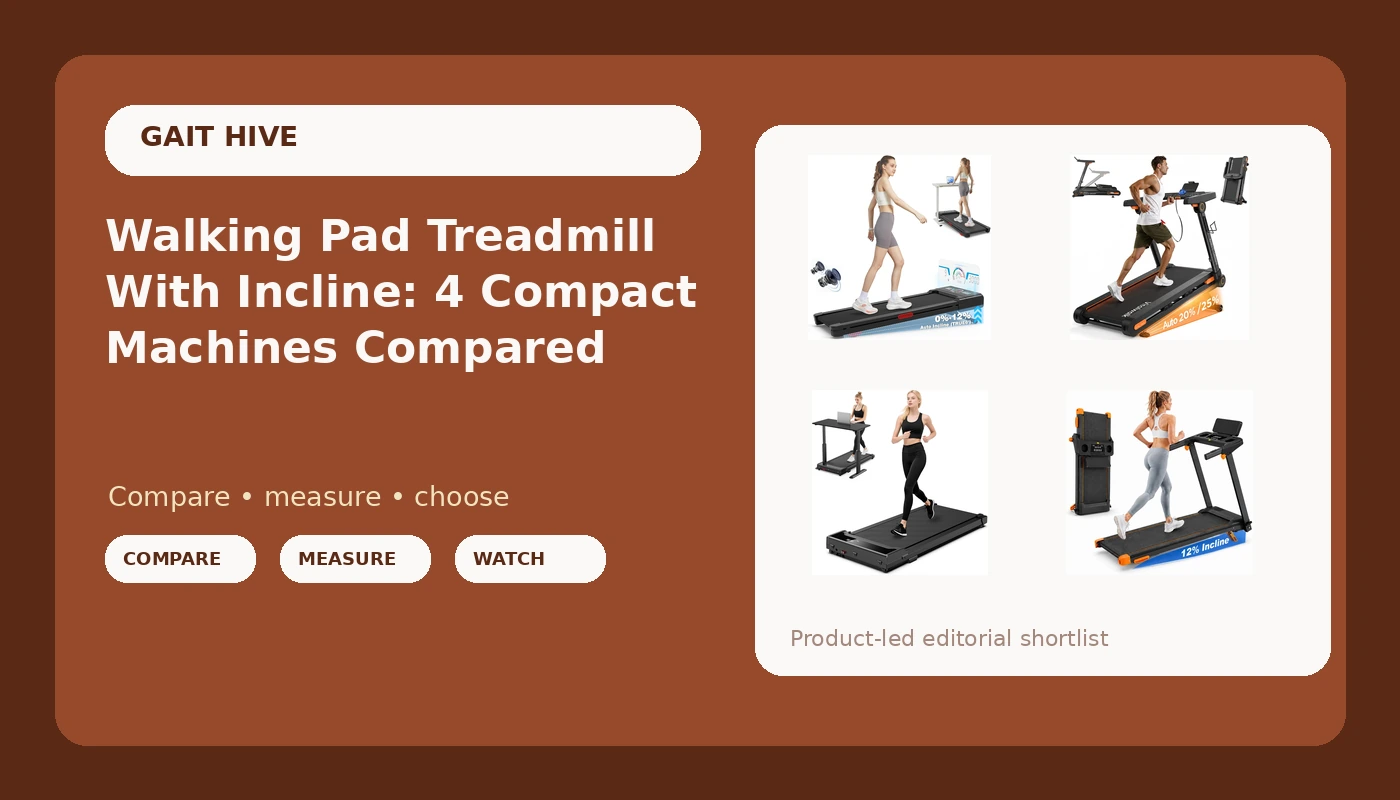
For most apartments, the 3-in-1 Walking Pad Treadmill with 12% Incline is where I would start, and the Vitalwalk Foldable Walking Pad is the one to buy if you want a deck long enough to actually run on.
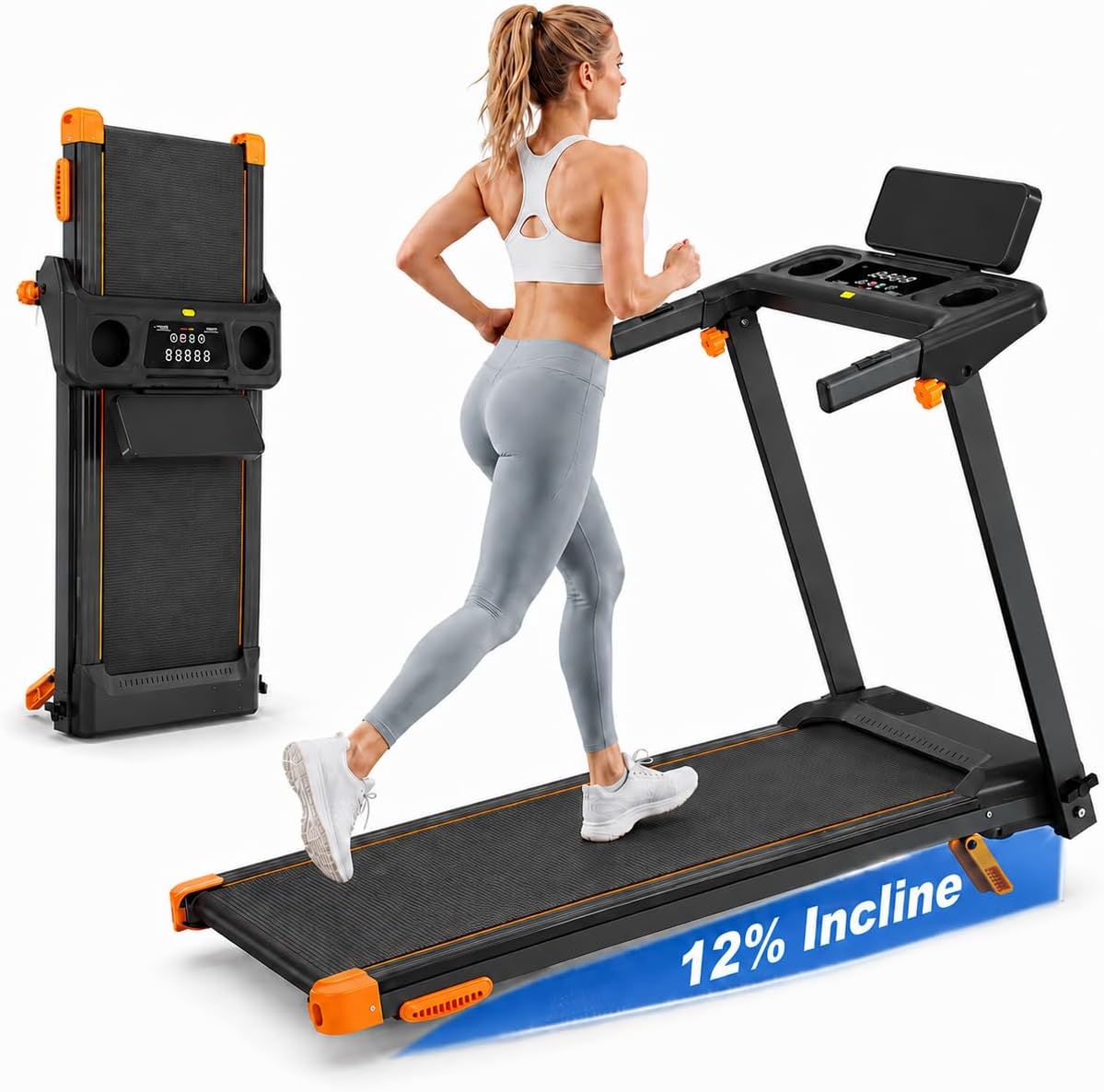
Treadmill for Home, 3-in-1 Walking Pad Treadmill with 12% Incline
Three configurations in one machine plus a 12% incline, which is the sweet spot for a small room
Not the widest deck here, and the 3-in-1 modes take a read of the listing to understand
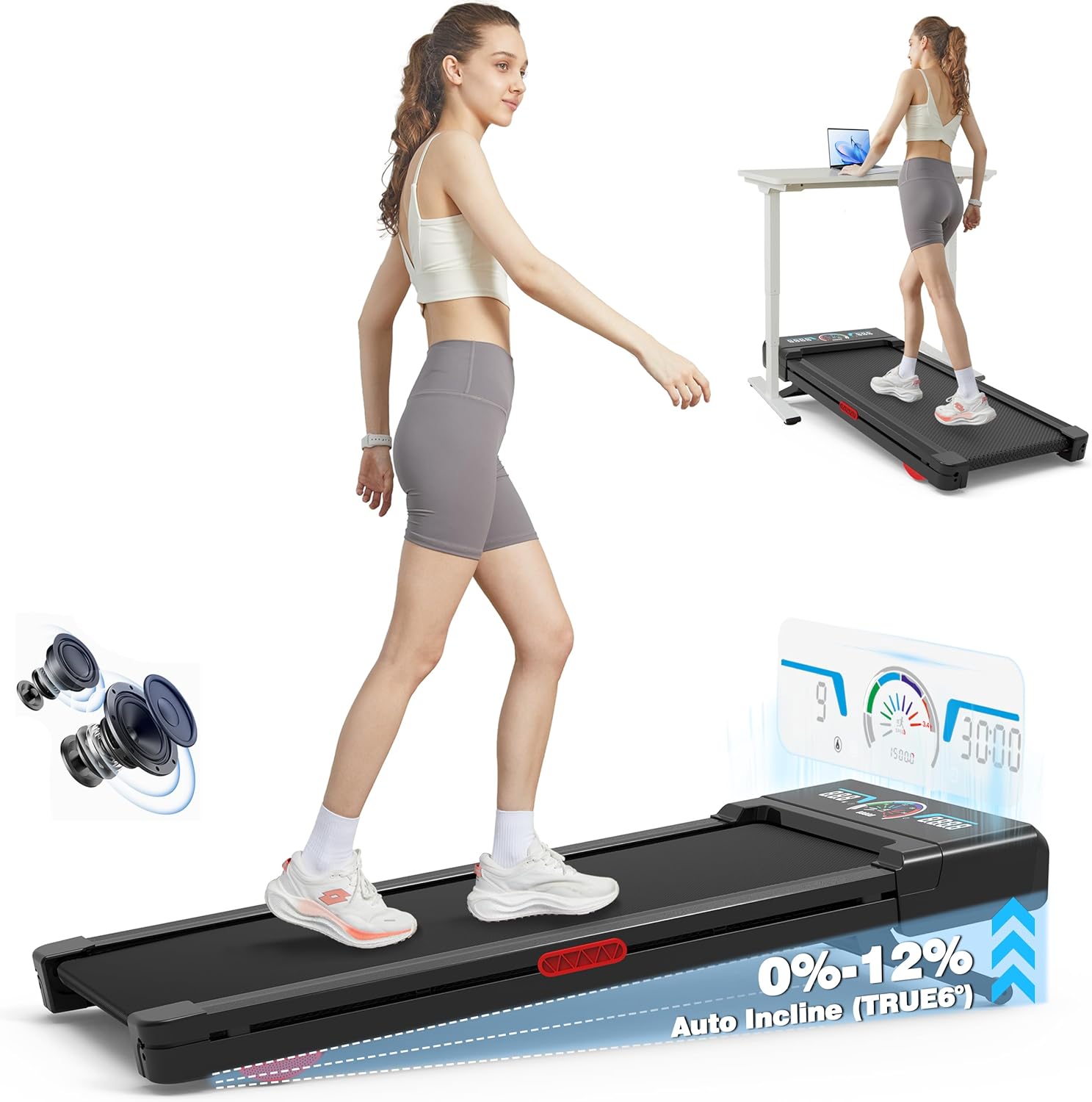
Walking Pad Treadmill 12% Auto Incline, Under Desk Treadmill
Automatic incline at a 12% grade, no risers to lift or reposition
Built for walking under a desk first, so it is not the machine for a long stride
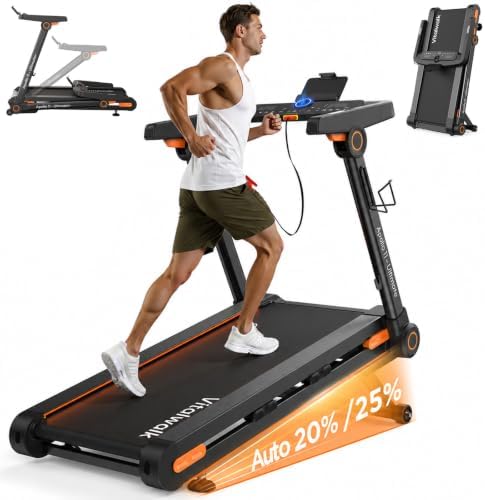
Vitalwalk Foldable Walking Pad Treadmill with Incline 20%/25% Auto, 49"x18"
The only machine here that publishes its deck size, and it publishes a good one: 49 by 18 inches
The steepest grade and the biggest footprint of the group, so measure the room first
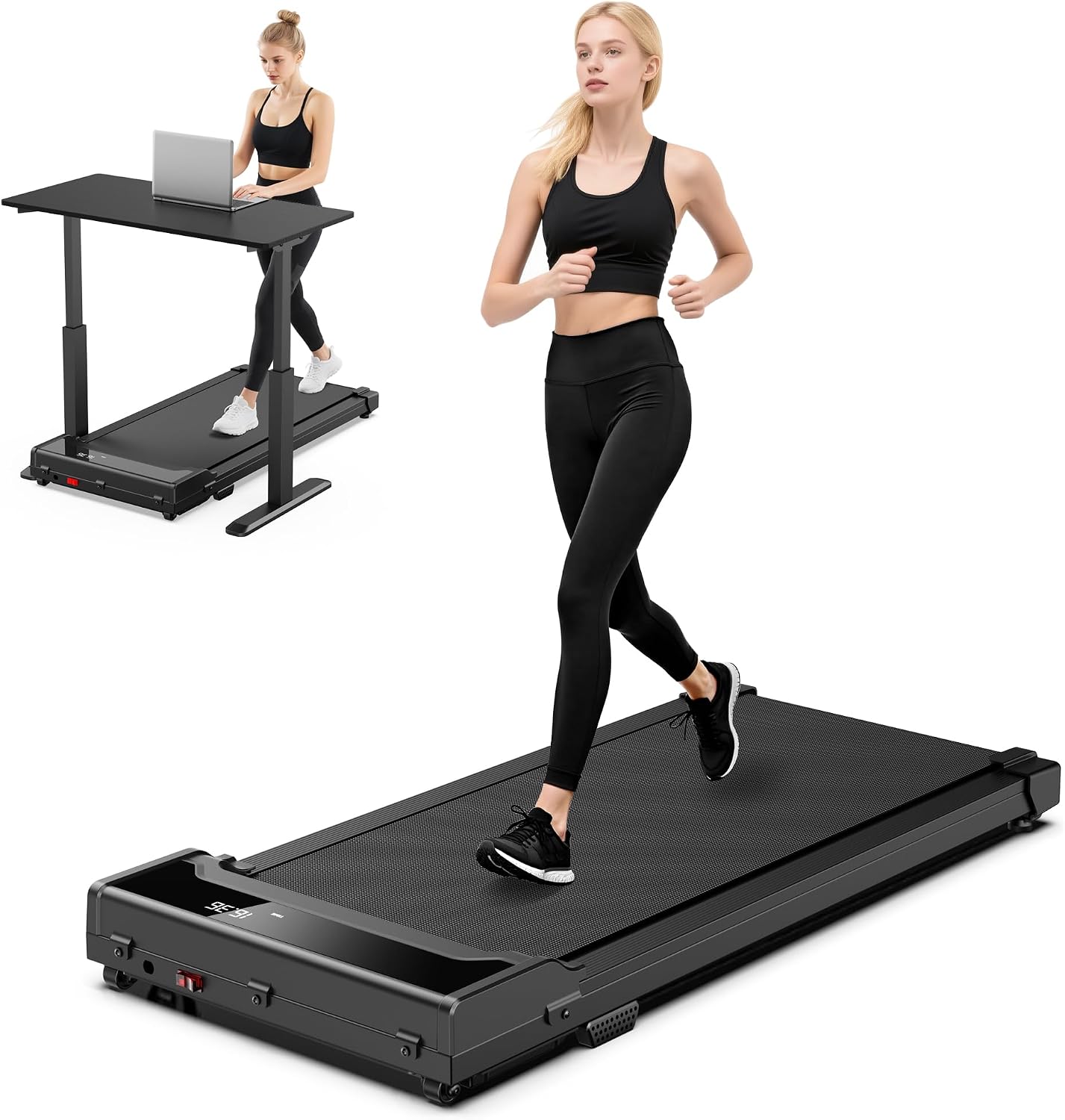
Walking Pad Treadmill for Home, Under Desk Walking and Running with Remote Control Portable Electric Machine Adjustable Slim Compact with 0.6-4.0MPH Modes Max up 265 Lbs for Home Office
The slimmest, simplest entry point, with a stated 265 lb capacity and a 0.6 to 4.0 mph range
No incline at all, which is the whole reason most people read this comparison
Prices and availability were captured from Amazon Creators API and may change.
What an incline actually buys you on a walking pad
Incline on a walking pad is not the same thing as incline on the gym treadmill you used in January. At two or three miles per hour, a 12% grade raises your heart rate the way a brisk hill walk does, recruits your calves and glutes in a way flat walking never will, and does it without asking your knees for anything unusual. That is the honest pitch. If you want to train for a road race, a folding walking pad is not the tool.
Two of the four machines here list automatic incline, one at 12% and one at 20% and 25%. A third lists a 12% incline without saying whether you raise it by motor or by hand. The fourth has no incline at all. Automatic grade is nicer if you like to change the pitch mid-session without stepping off. Manual grade is one less motor to break. Either way, the test I run is the same: stand at the top of the incline and shift your weight side to side. If the deck or the risers wobble under you, the machine is cutting a corner somewhere, and it will keep cutting corners after the return window closes.
The deck is the spec nobody reads
Only one machine in this group prints its deck dimensions in the product name: 49 by 18 inches. That number matters more than any other line in the listing, and it is the number most buyers never check.
Here is why. Walking stride length for an average adult runs about 28 to 32 inches, and you want the belt to be noticeably longer than your stride so you are not managing your footfalls like a tightrope walker. Forty-nine inches is roomy for walking and workable for a slow jog. Eighteen inches of width is comfortable for most people and forgiving if your feet drift. If a listing does not publish deck length, that is not automatically a bad machine, but it is information you should get before you buy rather than after.
The same logic applies to weight capacity. One machine here states a 265 lb maximum. Capacity is not a suggestion. Running on a machine at the top of its limit is the fastest way to shorten the life of the belt and the motor, so leave yourself some margin.
The four machines, one at a time
Treadmill for Home, 3-in-1 Walking Pad Treadmill with 12% Incline
This is the machine I keep coming back to for a normal-sized apartment. The 3-in-1 label refers to the ways it can be set up and used, and the 12% incline is the useful middle ground: steep enough to feel like a climb, gentle enough that you can hold a conversation on it. It folds, it is sized for a small room, and it does not pretend to be a gym machine.
The trade-off is information. This listing is less forthcoming about deck length than the Vitalwalk, so if you have a long stride, ask before you buy. For walkers and desk users, that is a minor worry.
Walking Pad Treadmill 12% Auto Incline, Under Desk Treadmill
Automatic incline at 12% is the headline, and it is a real convenience. You press a button, the deck rises, and you never kneel down to move risers with a mug of coffee in your other hand. If you work standing at a desk and want to alternate flat walking with climbing blocks through the day, this is the one built for that rhythm.
The trade-off is focus. This is an under-desk machine first, which means it is designed around slower walking speeds and a compact footprint. It is not the machine I would point a runner toward, and it is not the one with a published deck length.
Vitalwalk Foldable Walking Pad Treadmill with Incline 20%/25% Auto, 49"x18"
This is the most capable machine in the group and also the most demanding of your floor plan. It is the only one that tells you its deck size up front, and 49 by 18 inches is a genuine walking and light jogging surface. The automatic incline goes steeper than anything else here, at 20% and 25%, which is a serious grade for walking. Twenty-five percent is a hill, not a nudge. If you want to feel your glutes working while you answer email, that is the number to buy.
The trade-off is space and price. It is the biggest and the most expensive of the four, so it earns its place only if you have the room and you actually want that grade. Foldable matters here, but folding only counts if you can move the thing once it is folded, so think about where it lives when it is not in use.
Walking Pad Treadmill for Home, Under Desk Walking and Running with Remote Control
This is the low-commitment pick, and there is nothing wrong with that. It is the slimmest machine here, it comes with a remote, its speed range runs from 0.6 to 4.0 mph, and it states a 265 lb maximum. For someone who wants to add walking to a workday and does not care about climbing, it covers the basics and stores easily.
The trade-off is in the name of this article. It has no incline. That is not a flaw, it is a different product, and I would rather tell you that plainly than sell you a riser kit you will use twice.
The trade-offs nobody puts in the bullet list
Noise is the number one reason walking pads get returned, and it almost never appears in a listing as a real number. Two of these machines are built around under-desk use, which usually means a smaller motor and a lower top speed, and lower top speed is generally quieter at walking pace. If you share a wall, buy for the speed you will actually use, not the top speed on the box.
The second trade-off is the incline mechanism itself. Motorized grade means convenience and one more thing that can fail. Riser-style grade means simplicity and a deck that can feel less planted. When you get the machine, before you ever walk on it, put it at its highest incline, step on, and shift your weight slowly from foot to foot. If it rocks or creaks, you have your answer about the build, and you still have a return window.
Third, folding is only half the story. The other half is weight and wheels. A machine that folds flat but weighs more than you want to lift is not a folding machine, it is a machine that lives in one spot forever. Fold it, wheel it, and put it away ten times in your head before you decide which of these four belongs in your living room.
Finally, check for a safety lanyard. The clip that kills the belt if you fall is the one non-negotiable feature on every machine I recommend, walking pad or full treadmill. If a listing is vague about it, ask.
What I would buy
If you are walking for health in a small apartment, the 3-in-1 Walking Pad Treadmill with 12% Incline is the sensible middle: a real incline, a folding footprint, and three ways to set it up.
If you work at a desk and want the grade to change without you kneeling on the floor, the 12% Auto Incline Walking Pad is the better fit, provided your stride is average and you are not planning to run.
If you want a deck you can actually stride out on and a hill steep enough to make you breathe, the Vitalwalk is the only machine here that qualifies, and it is priced and sized accordingly. If you just want steps during conference calls, the slim remote-control walking pad does the job with no incline and no fuss.
What I am testing next
Two things are on the bench in the apartment right now. The first is belt wear on the budget end of this category, because the honest question about any low-cost walking pad is not how it feels in week one. It is how the belt and the motor feel after a few hundred miles of real use. The second is motor noise at the desk, measured the way I actually experience it, on a call, with the machine running at two miles per hour. My rule has not changed: no machine gets recommended here until it has survived a couple of weeks in a real living room, and no incline gets a pass until I have stood on it at the top of the grade and tried to make it wobble.