I have run more than 40,000 miles in my life, almost all of it outdoors, and I have spent the last six weeks walking and running indoors on foldable treadmills and walking pads inside a 680-square-foot Austin apartment. That is the trade I made when the summers got worse and my knees got louder. Shopping for foldable treadmills for small apartments is where I watch the most money get wasted, because the things that sell a machine online, a big screen, an app, a top speed you will never touch, are almost never the things that make you keep using it.
I coach runners for a living, and I have unboxed, folded, wheeled, and run on more than 30 machines at this point. Every one of them had to survive at least two weeks in a real living room before I would say a word about it to anyone. Here is what four very different products taught me, including one that is not a treadmill at all.
The short answer: for most small apartments, the WELLFIT treadmill with the 15% auto incline is the machine I would buy first, because a working incline and a heavy duty folding frame do more for your training than a subscription screen ever will. If you actually run and want a softer, more forgiving deck, the Echelon Stride is the step up. If you only walk, the YPOO incline walking pad is the honest budget answer.
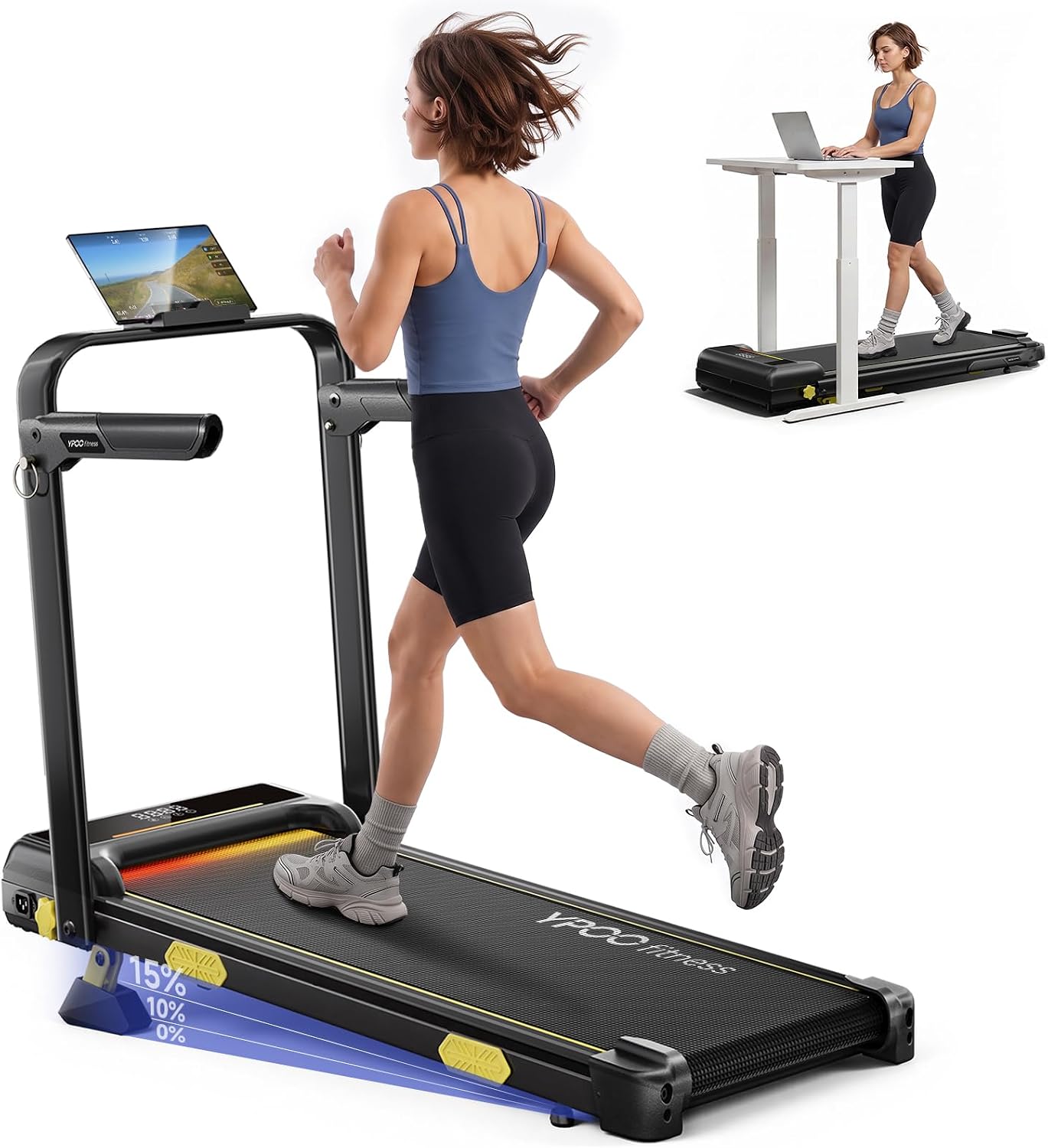
YPOO 15% Incline Walking Pad Treadmill with Handles, 6.2MPH, Foldable
Real incline on a pad, plus handles so you can walk at grade without hunting for a wall to steady yourself
It is a walking pad. The 6.2 MPH ceiling and the short deck mean runners will be taking smaller than normal steps
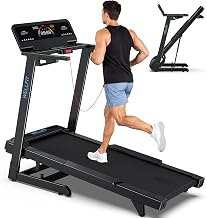
WELLFIT Treadmill with 15% Auto Incline, Foldable Heavy Duty Treadmill
15% auto incline and a heavy duty frame at a price that still makes sense for a spare room
Heavy duty means heavy. Folding it is a two-hand job and you will feel it in your lower back
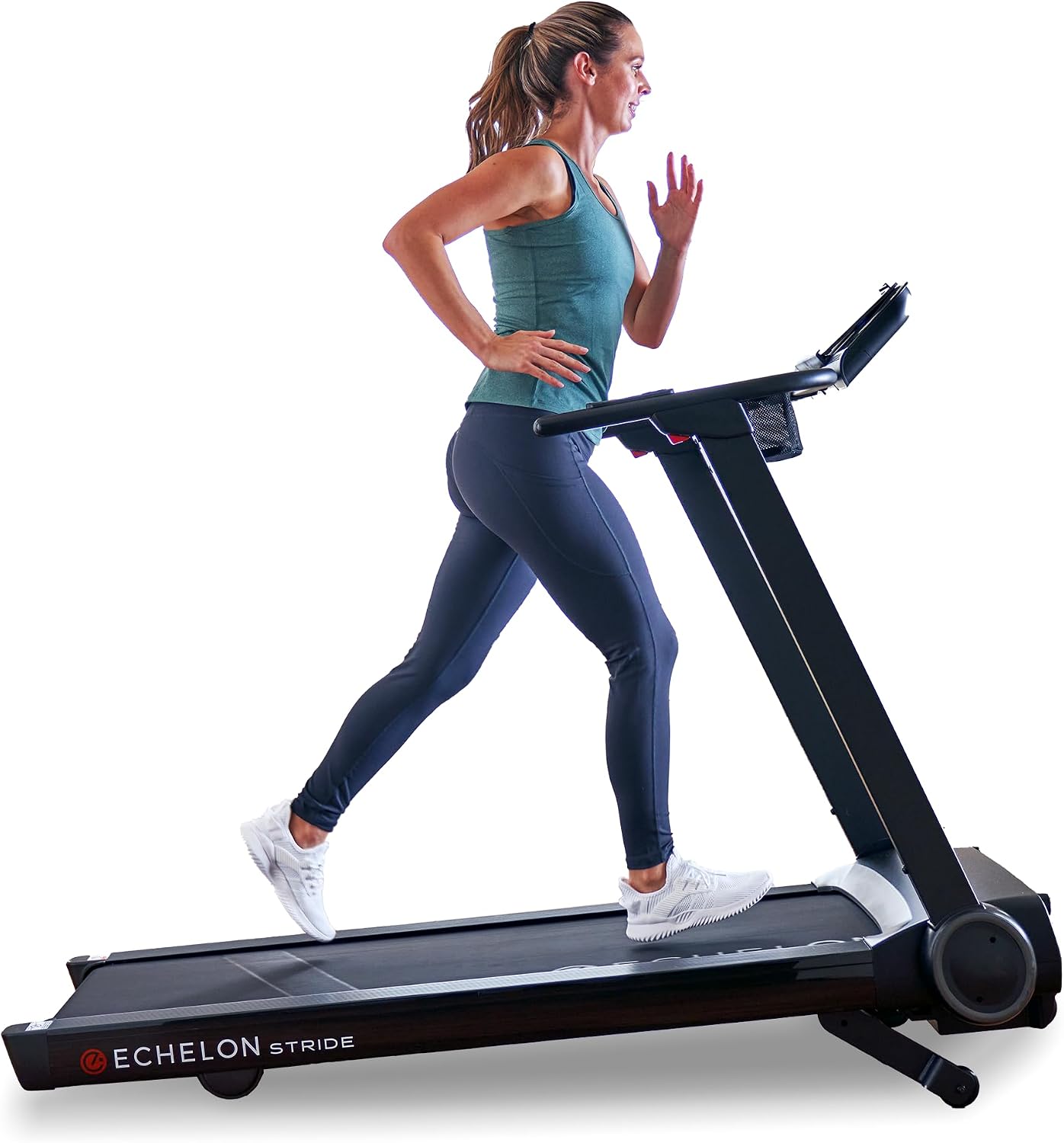
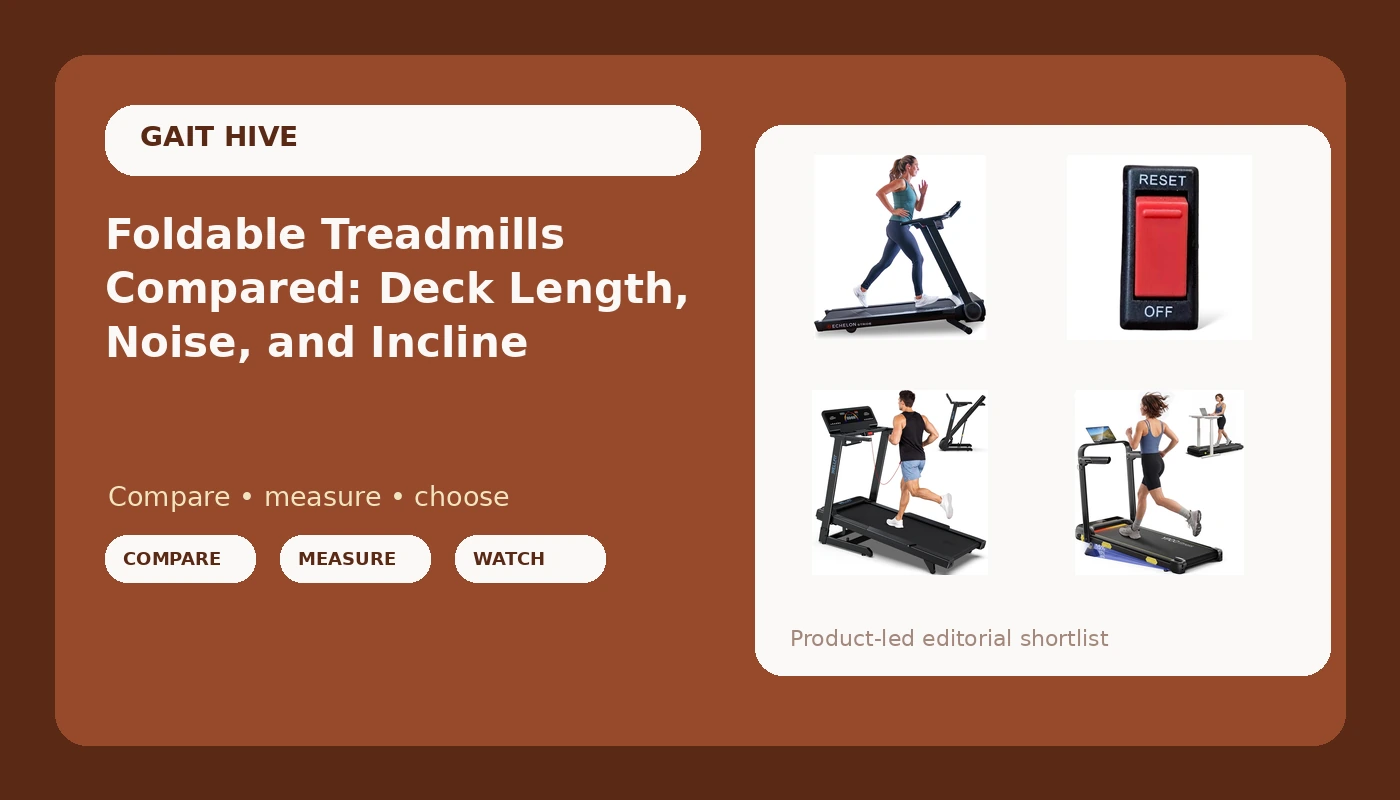
Echelon Stride Treadmill, Smart Foldable, 300 Lb Capacity, Motorized Incline, Air Cushioning Deck, USB Charging Port
The most runner-friendly deck of the group, with air cushioning, motorized incline, and a 300 lb capacity
The biggest footprint here, and the smart features quietly point you toward a membership
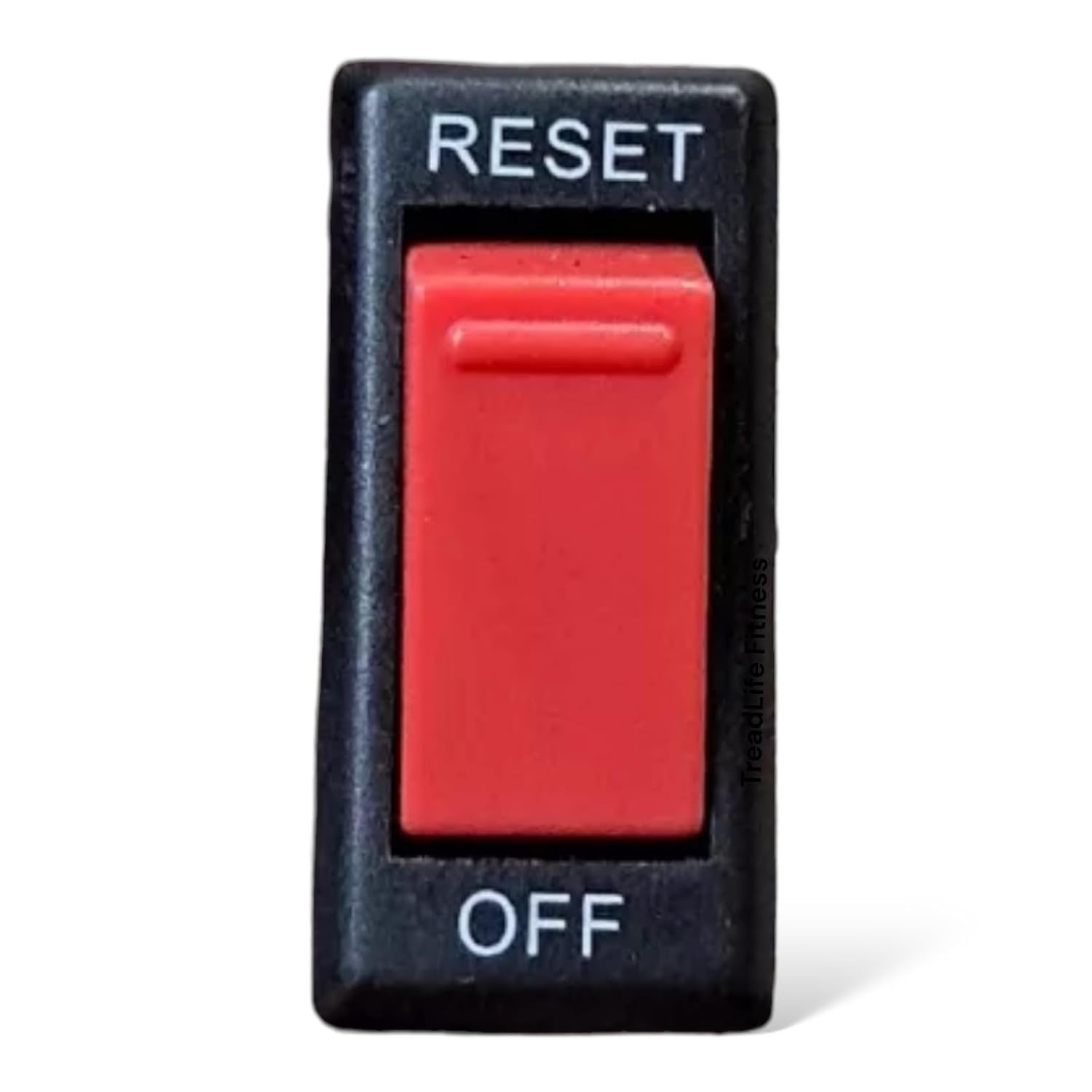
TreadLife Fitness Power On/Off Switch, Push Button, Red, Compatible with NordicTrack Commercial 2450
An exact-fit replacement for a machine that will not power on, for the cost of a couple of coffees
It is one part for one family of machines. If your motor or console is dead, this will not save you
Prices and availability were captured from Amazon Creators API and may change.
How I test a treadmill in 680 square feet
My test is not a showroom test. It is two weeks minimum, in the corner of a room I actually live in, with a real person using it the way a real person would. That means I fold it and wheel it at least ten times, because folding only counts if you can move the thing afterward. I take a noise reading at walking speed while I am on a conference call, because "whisper quiet" is a marketing phrase and a decibel reading is a fact. I run at a full stride, not a walk, because deck length opinions are worthless if you never opened up. And on a budget machine, I put in the miles and check the belt and the wobble at the end, because that is when the honest answer shows up.
Three of these four products are treadmills. One is a repair part. I am including it anyway, because the most common email I get is not "which treadmill should I buy." It is "my treadmill stopped turning on, do I have to replace it." Sometimes the answer is a switch.
Deck length is the first spec I check
If your stride does not fit the belt, nothing else on the machine matters. Not the motor, not the screen, not the incline. You will shorten your steps without noticing, and a shortened stride is how you end up with cranky hips and a run that feels harder than it should.
This is the line that separates the walking pad from the treadmills in this comparison. The YPOO is built for walking, with handles to hold and a top speed of 6.2 MPH. That is a genuinely useful machine if your goal is steps, incline walking, or a desk-adjacent setup where you get up every hour and move. It is not a machine you should buy planning to train for a 10K on it. The deck is short, and at running pace you will feel boxed in.
The WELLFIT and the Echelon Stride are both designed around running. The Echelon Stride has the more forgiving running surface of the two, with an air cushioning deck and a 300 lb weight capacity, and it is the one I would hand to a runner who wants to keep doing real mileage indoors. The WELLFIT is the more practical shape for a small room, and its heavy duty frame handles a full stride without the flex that cheap decks develop over time.
My rule: walkers can buy almost anything. Runners should buy the longest deck their room and budget allow, and ignore every other feature until that box is checked.
Does the incline actually work, or does it wobble
Incline is the most useful training feature on a home treadmill, and it is also the place budget machines cut corners. On cheap pads, the incline is usually a set of plastic blocks that lift the front of the deck. They work, in the sense that the deck is now tilted. They also wobble slightly, and a wobbling incline tells you where else the machine saved money.
The YPOO's 15% incline is one of the reasons it stands out in the pad category. You get real grade without giving up the low profile, and the handles mean you can walk at that grade with your posture intact instead of hunched over a desk. For a walker who wants to make walking harder, that combination is worth more than any screen.
The WELLFIT takes it further with a 15% auto incline, meaning you change grade from the console instead of getting off the machine to move a riser. If you do interval work where the incline changes every few minutes, automatic is not a luxury, it is the difference between doing the workout and skipping it.
The Echelon Stride uses a motorized incline as well, paired with its cushioned deck. Between the two, the incline systems felt comparable in use. The bigger difference is the running surface and the footprint.
Noise is the spec nobody prints
Quiet matters more than horsepower at home. A motor that makes you turn up the TV is a failed purchase, no matter how fast it goes. This is the part of a treadmill review that almost nobody measures, and it is the part that decides whether your downstairs neighbor likes you.
What I listen for is walking-speed noise during a call. At walking pace, the belt hum and the motor whine are the two sounds that carry through a wall. A machine that is quiet at 3 MPH is usually tolerable at 5 or 6. A machine that is loud at walking pace does not get better when you speed it up.
The walking pads have an advantage here by design, because they are smaller motors moving less mass. That is one honest reason pads are popular in apartments. But a pad with a wobbly incline block will rattle, and a rattle is worse than a hum. The WELLFIT and the Echelon Stride both have the mass to stay planted, which keeps vibration out of the floor and out of your neighbor's ceiling.
Folding only counts if you can move it
Every machine in this comparison folds. That word means very little on its own. What matters is weight, wheels, and whether the folded machine can go where you need it to go.
The Echelon Stride folds flat and can stand vertically, which is the best folded geometry of the group. It is also the largest machine here, and that matters in a room where the couch is already close to the wall. The WELLFIT folds and rolls, but heavy duty is in the name for a reason, and moving it is a deliberate act rather than a flick of the wrist. The YPOO is the easiest of the three to fold, slide, and forget about, which is exactly what you want from a pad.
Here is the honest test I give people: fold the machine, move it to where it lives when it is not in use, then unfold it. Do that in your head ten times before you buy. If you cannot picture doing it on a Tuesday night when you are tired, buy the smaller machine.
The part nobody compares: keeping a dead treadmill alive
The TreadLife Fitness power switch is not a treadmill, and I want to be clear that it does not belong on a list of machines to run on. It belongs on this list because it is the difference between a working NordicTrack Commercial 2450 and a very heavy object in a garage.
The switch is a red push button replacement designed to fit the NordicTrack Commercial 2450. If your machine will not power on, the outlet is fine, the cord is fine, and the breaker is fine, the power switch is one of the cheapest things to rule out before you start pricing a replacement treadmill. It is the same logic I use when a client tells me their treadmill "died." Most of the time, one component failed, not the whole machine.
My honest caveat: this fixes one specific failure on one specific family of machines. If your console is dark, your motor is grinding, or your belt is slipping, a switch will not help. Buy it because you have diagnosed a power problem, not because it is cheap.
Who should buy which
For a walker in an apartment who wants incline and a machine that disappears under furniture, the YPOO incline walking pad is the pick. It does one job and does it without pretending to be a gym treadmill.
For a runner or a walker who wants one machine that covers everything and folds out of the way, the WELLFIT with the 15% auto incline is the best balance of training capability and storable size in this group.
For a runner who wants the softest deck and the most capacity, and who has the floor space to leave a machine set up most of the time, the Echelon Stride is worth the step up, cushioning deck included.
For anyone with a NordicTrack Commercial 2450 that has gone silent, the TreadLife switch is the first thing to try, long before you shop for a new machine.
Trade-offs I would flag before you click
First, you cannot compare a walking pad to a heavy duty treadmill on the same axis. They are different tools. A pad is for steps and incline walking. A treadmill is for running. Buying a pad and expecting a running deck is how people end up disappointed and back on the couch.
Second, auto incline costs weight. Every feature you add to a folding machine makes it harder to fold. If your space is genuinely tight, decide which matters more before you buy, because you cannot have both a 15% auto incline and a machine you can move with one hand.
Third, smart features are subscriptions in disguise. The Echelon Stride ships with a free membership period, and the machine is better with it. Just go in knowing that the screen is the beginning of a relationship, not a one-time purchase.
Fourth, parts availability is a real spec. The reason the TreadLife switch exists is that NordicTrack machines are common enough to be worth repairing. That is an argument for buying a machine from a brand with a repair ecosystem, not against it.
What I am testing next
I am six weeks into this round, with a 200-mile belt check still running on the budget machine and a full stride test on the two treadmills. What I already know is that the gap between a good folding treadmill and an expensive one is smaller than the price gap suggests, and the gap between a pad and a treadmill is bigger than most buyers expect.
If you take one thing from this comparison, take the order of the questions. Does your stride fit the deck? Is the motor quiet enough for a call? Can you fold it and move it yourself? Does the incline hold up? Would you still recommend it after the belt has some miles on it? Answer those five and the decision mostly makes itself.