Related: Walking Pad Desk Setup: How to Actually Get Work Done While You Walk
I've coached runners for twelve years and logged over 40,000 miles, almost all of it outdoors. Then Austin summers got worse, my knees got louder, and my coaching clients kept asking the same question: what's the best small apartment treadmill for a place the size of mine? I didn't have an answer I trusted, because I'd never run on one. So I bought a cheap folding machine for my own living room and started testing the way I coach: one rep at a time, logged, no shortcuts.
Since then I've unboxed, folded, wheeled, and run on more than 30 machines in a 680-square-foot apartment. Here's the short version of what I've learned. Most people buy way more treadmill than they need. Deck length is the first spec I check, because if your stride doesn't fit the belt, nothing else on the machine matters. And quiet matters more than horsepower at home, because a motor that makes you turn up the TV is a failed purchase no matter how fast it goes.
A treadmill is a tool for the days you can't get outside. It isn't a substitute for running. This is the rundown I give clients before they spend their money.
What actually matters in a small apartment
Five checks, in order. If a machine fails the first one, nothing else on the list can save it.
Deck length. The deck is the running surface you land on. Your stride is the distance from one footfall to the next, and if your stride is long and the belt is short, you'll be taking smaller than normal steps before you know it. That's not a style preference, it's a mechanics problem. A physical therapist explained the rest to me after a client wrecked her hips on a too-short belt. Walking pads are fine for walking. Runners need room to actually stride out.
Noise at walking speed. "Whisper quiet" gets printed on motors you can hear through a wall. The test that matters is a conference call at 3 mph, not a sprint. I take a decibel reading during an actual call, because that's when it counts.
Folding you can actually move. Folding only counts if you can get the thing out of the way by yourself. Wheels and weight are the real spec, not the folded height on the product page. I fold and wheel every machine at least ten times before I form an opinion.
Incline that doesn't wobble. The incline blocks are the tell. If the incline system feels like plastic risers under the deck that shift slightly when you step, the whole machine is cutting corners somewhere.
The magnetic safety lanyard. The clip that kills the belt if you fall. Non-negotiable, and the one safety feature I check on every machine. If it's missing or flimsy, the review ends there.
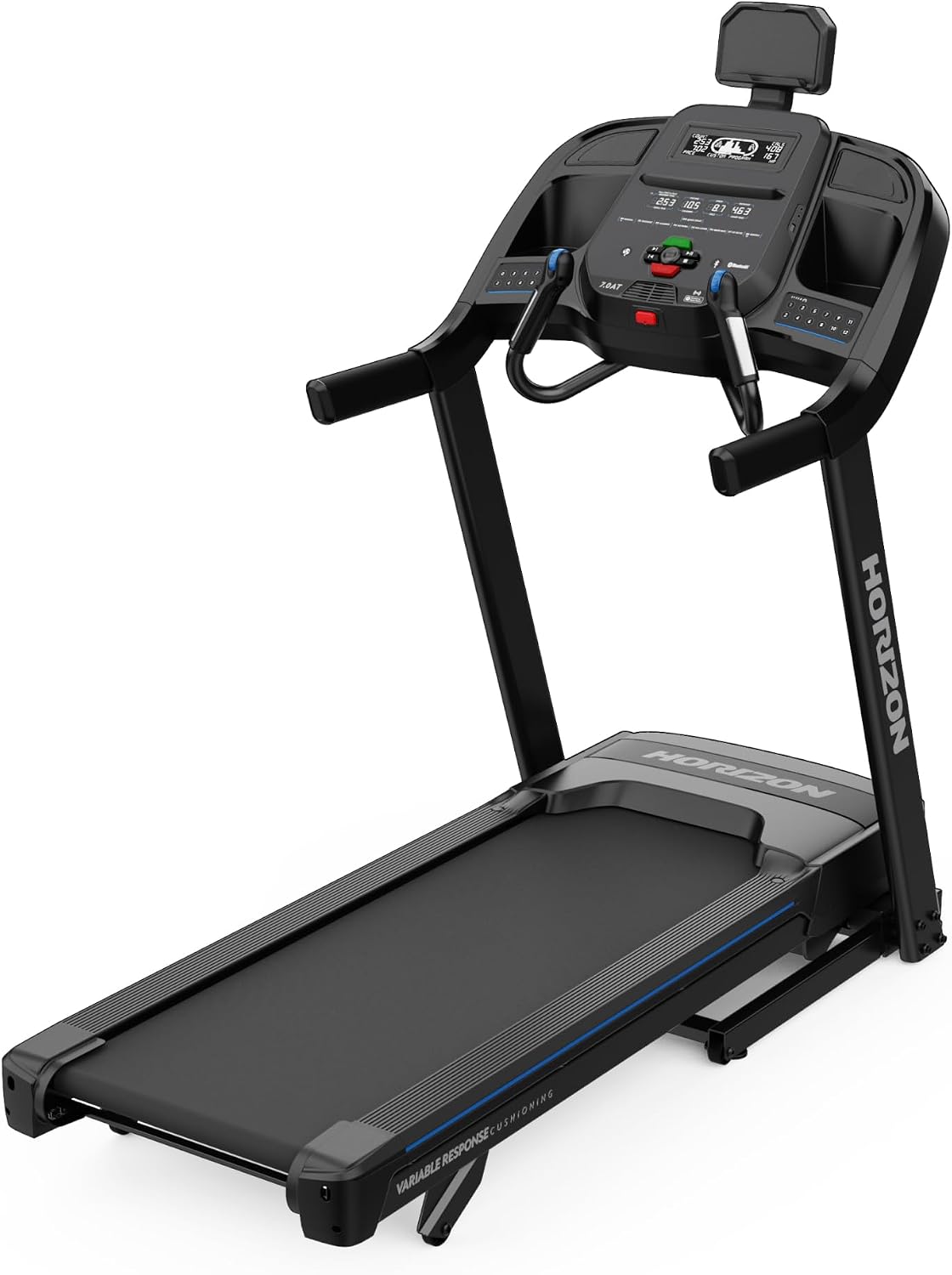
Best for Running: Horizon Fitness Treadmill
If you actually intend to run, this is where I'd start in this group. It's a folding treadmill in the class most people should be shopping: enough machine to hold a real stride, and still something you can fold up and wheel against a wall when guests come over. Check current Amazon price.
What I'd verify before you buy, and what I'd tell any client to verify: the deck length against your own stride, the folded footprint against the wall you plan to park it on, and the motor noise at an easy pace. Those three checks decide whether a folding treadmill becomes a habit or a coat rack, and they matter more than anything on the console.
Full-size gym treadmills belong in gyms. In a small living room they're an expensive coat rack, and NordicTrack and Peloton make the machines everyone asks about, but for most home buyers the answer is still a good folding treadmill at half the price. This is that middle ground.
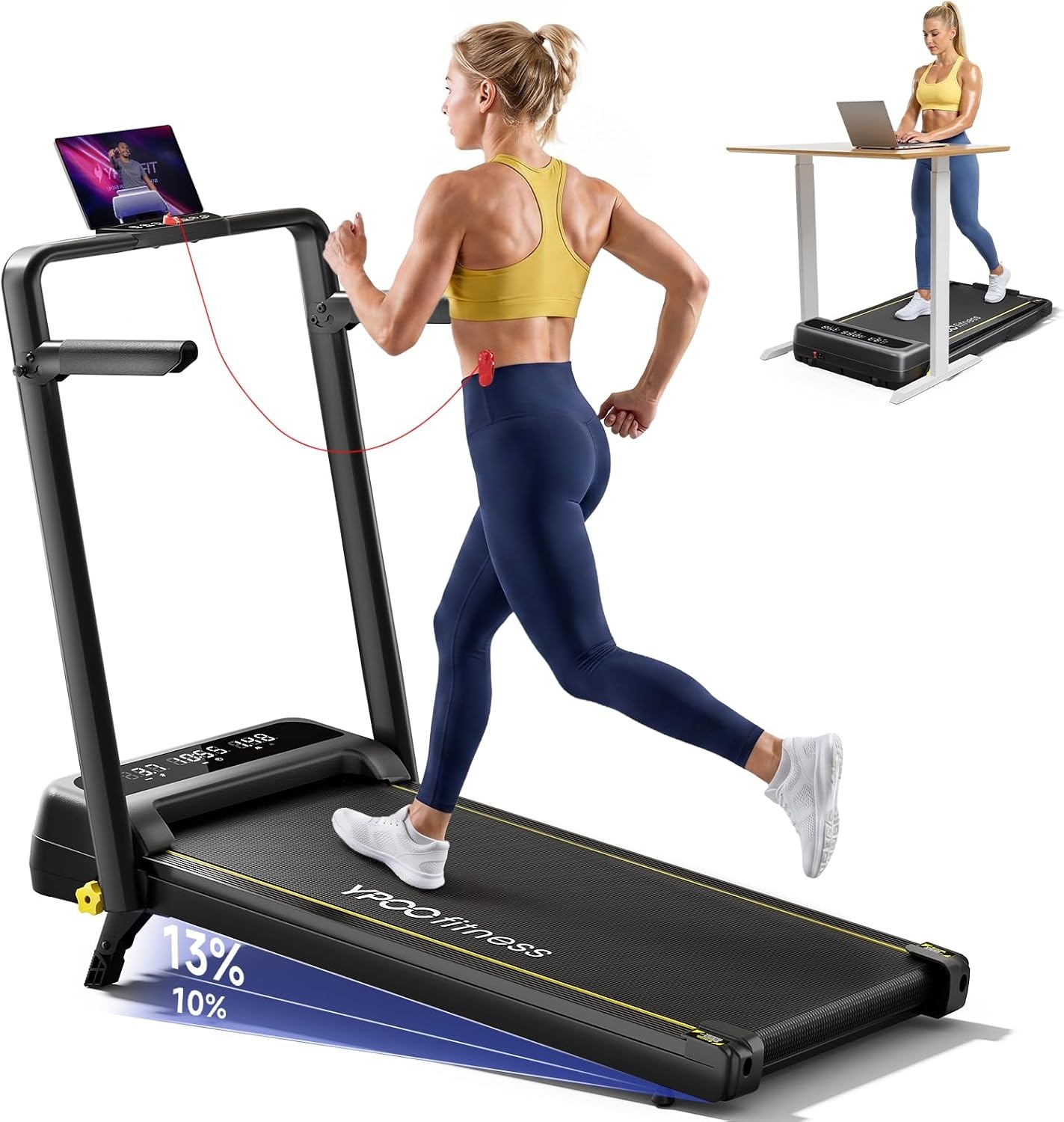
Best Value: YPOO Walking Pad Incline
This is the value pick in the category, and the one I'd hand to someone coming out of beginner-hood who wants to walk, not sprint. It has a handle bar, it folds, it inclines, and it carries a 300 lb weight rating. Check current Amazon price.
Two things to do before you order. First, study the photos twice. What's pictured and described on a walking pad product page is not always what's in the box, and the reviewer who caught a missing handle bar and posted photos is doing you a favor. Second, remember what a walking pad is: a walking pad. If you want to run, you need a deck that fits your stride, and most pads don't have one.
For walking, desk work, and getting your steps in on the days Austin is either 105 degrees or 38, this is the machine. It arrives close to assembled, and the footprint is the reason it lives in a small apartment instead of a closet.
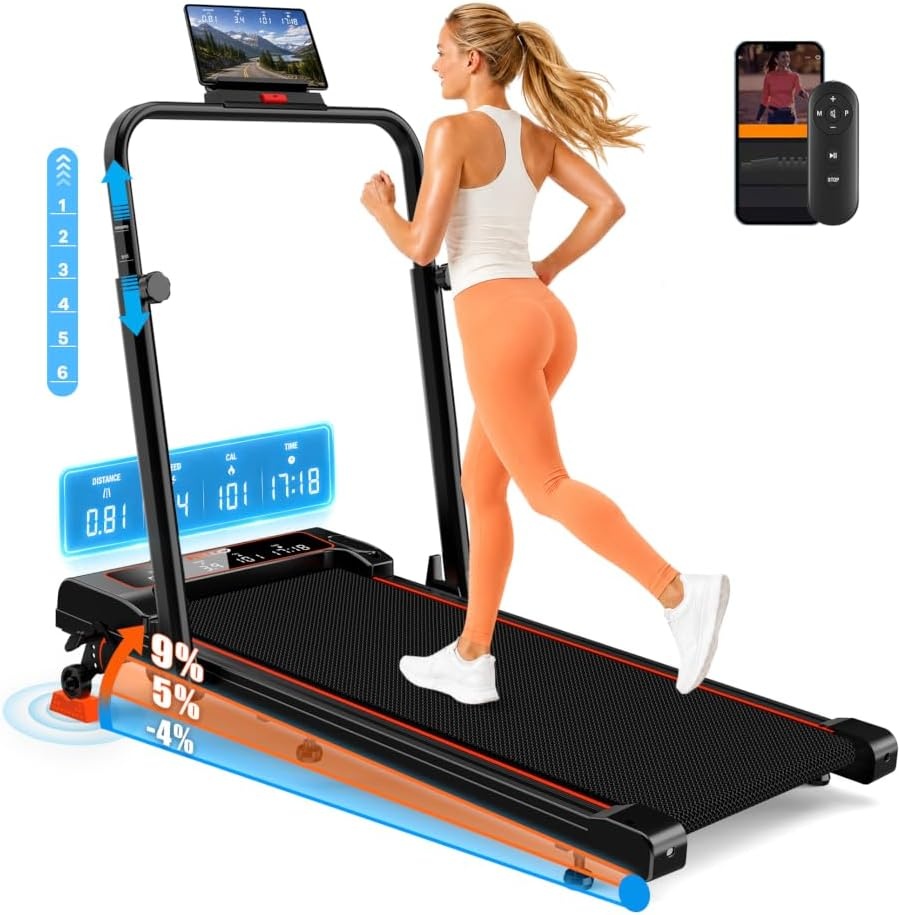
Best for Incline Walking: Walking Pad Treadmill with Incline 9% and Decline -4%
Incline is the most underrated feature on a home machine. A 9% grade turns a flat walk into something that actually loads your calves and glutes, and a 4% decline lets you train the downhill muscles that get ignored until race day. This pad gives you five incline levels plus a handle bar, which is the difference between a workout and a shuffle. Check current Amazon price.
The honest caveat is the same one that applies to every incline pad: the mechanism is the thing that fails first. Test it at each level while you're holding the handle bar, and listen. A five-level incline that wobbles like plastic blocks under your feet is a five-level problem.
Incline walking is also the easiest way to make a walking pad worth owning. If you're pairing one with a desk, I wrote about how to set that up without wrecking your posture.
The Part That Saves an Old Treadmill: Treadmill Doctor MC-60 Motor Control Board
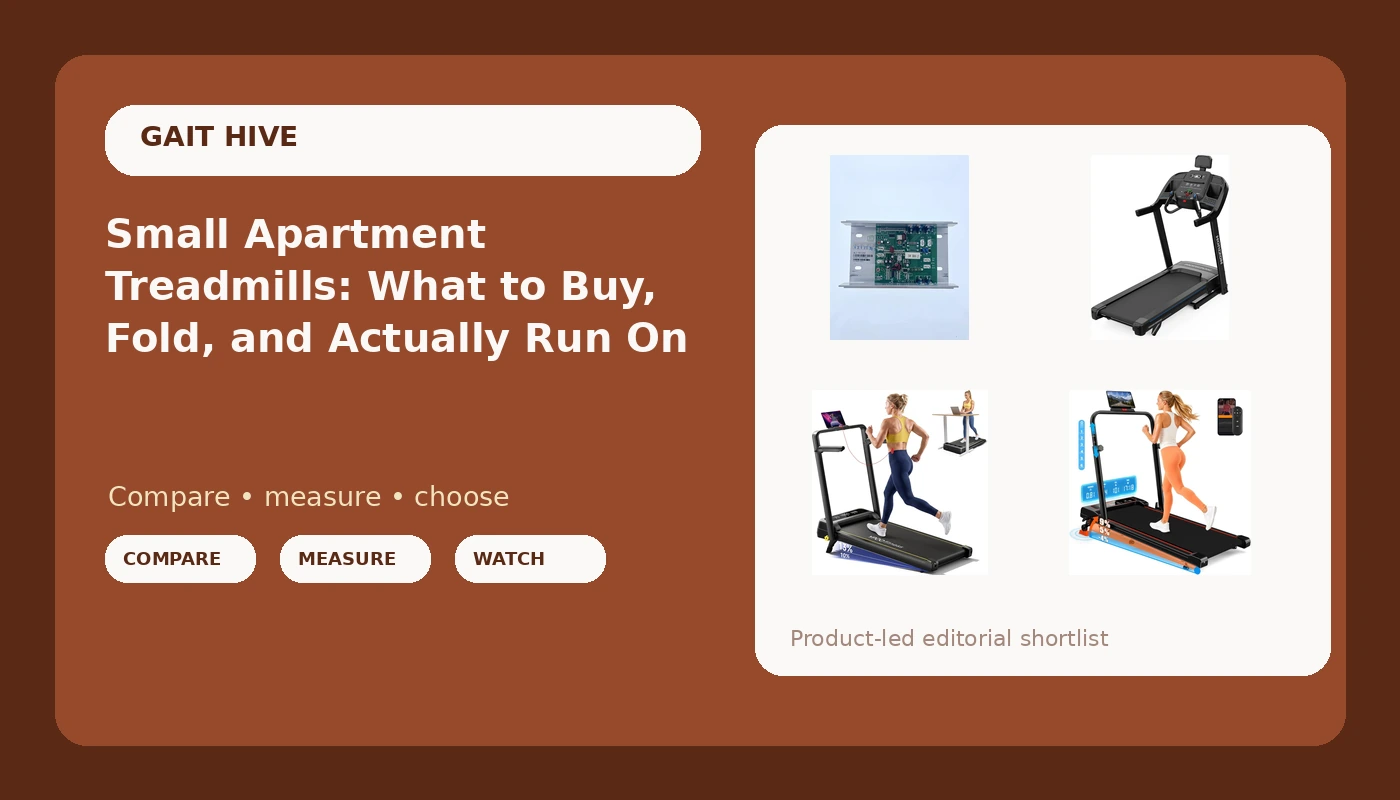
This one isn't a treadmill. It's the part that keeps one out of the landfill. The MC-60 motor control board is the upgraded replacement for the controller that dies on a lot of older machines, and if your belt has stopped moving while the console still lights up, the board is the first suspect. Check current Amazon price.
I keep this in the rundown because the most common thing I hear from clients is "my treadmill died, I need a new one." Half the time the deck, the motor, and the frame are fine and one board failed. Replacing a board is cheaper than replacing a machine, and a treadmill that already fits your stride is worth more than a new one that doesn't.
If you go this route, match the board to your machine before you order, and unplug the treadmill before you open anything up. Instructions translated by someone who has clearly never seen a treadmill are the norm in this category, so take photos as you disassemble.
How I tested
Everything here gets at least two weeks of real use in a real living room, not a showroom. This round has been six weeks with three foldable treadmills and two walking pads in a 680-square-foot apartment, and it isn't finished.
I log four things per machine. Deck feel at a full running stride, which is a different test than walking on it for ten minutes. Motor noise during an actual conference call at walking speed. Incline wobble, checked at every level while holding the handle bar. And the fold-and-move count: how long it takes to fold the machine and wheel it out of the way, timed, ten times in a row.
Then there's the long test. The budget pick in this group is getting a 200-mile belt-wear check, plus a frame wobble check, before I'd tell anyone to buy it.
Analysis and test results
Three things keep showing up.
Deck length decides whether you'll use the machine. Every person I've watched give up on a home treadmill gave up because their stride didn't fit the belt. They felt like they were taking smaller than normal steps, they shortened their gait, and their hips and knees started complaining. That's a deck problem, and no console feature fixes it.
Noise decides whether the people you live with will tolerate it. A motor that makes you turn up the TV at 3 mph is a failed purchase. Walking pads tend to win this test at walking speed and lose it the moment you push the pace.
The incline mechanism decides whether the machine lasts. Plastic blocks that wobble slightly underfoot are a warning. So is a fold that needs two hands and a hip check to get moving. The good machines fold and roll in one motion, and you can do it in the dark.
And the boring one: clip the magnetic safety lanyard on. Every time.
The reference table
| Machine | Role in a small apartment | What to verify yourself | Why it's here |
|---|---|---|---|
 Visit on Amazon → Visit on Amazon →Horizon Fitness Treadmill |
The running machine | Deck length against your own stride, folded footprint, motor noise at an easy pace | The one I'd point a real runner to first |
 Visit on Amazon → Visit on Amazon →YPOO Walking Pad Incline |
The value walking pad | That the handle bar and the incline are in the box, and how it folds and rolls | Handle bar, foldable frame, 300 lb rating |
 Visit on Amazon → Visit on Amazon →Walking Pad Treadmill with Incline |
The incline walker | That all five incline levels and the decline hold steady underfoot | 9% up, 4% down, five levels, handle bar |
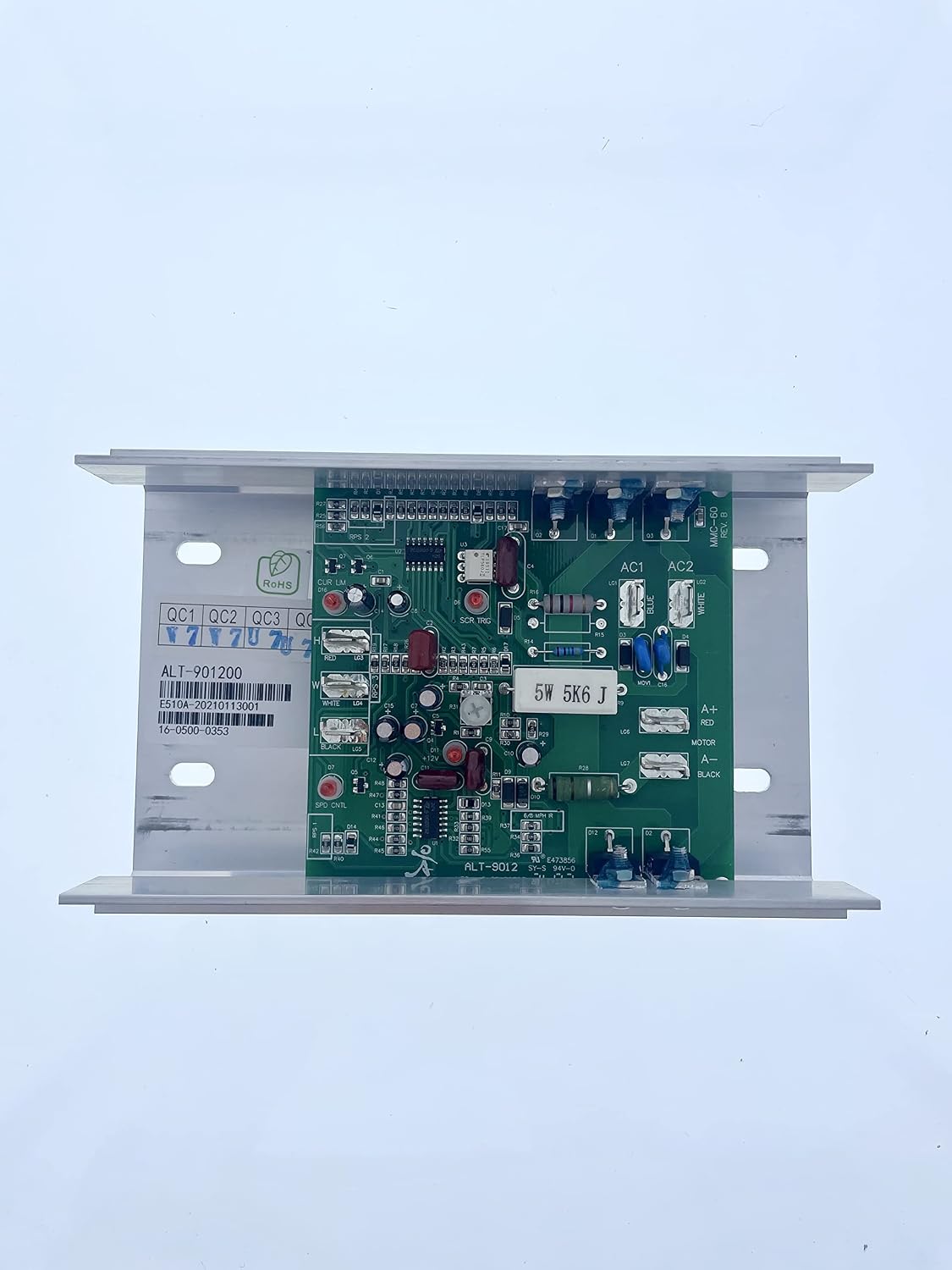 Visit on Amazon → Visit on Amazon →Treadmill Doctor MC-60 Motor Control Board |
The repair part | Your old machine's board model number | Cheaper than a new treadmill when the board is the failure |
Read the table as a decision, not a ranking. If you run, start at the top. If you walk, start in the middle. If your current machine still fits your stride and only the board failed, start at the bottom.
Should you buy the Horizon Fitness Treadmill?
Yes, if you run. It's the machine in this group with the deck to hold a real stride, and it still folds and rolls out of the way. If you're honest with yourself that you'll mostly walk, save the money and look at the pads instead.
Should you buy a walking pad instead?
If your goal is steps, desk time, and incline walking, yes. The YPOO is the value pick with a handle bar and a foldable frame, and the incline pad with five levels and a decline is for the walker who wants the workout to actually count. Just study the photos and the reviews before you order, because what's pictured is not always what's in the box.
Should you buy the Treadmill Doctor MC-60 board?
If your belt stopped moving and the console still lights up, it's the cheapest path back to a working treadmill. Match the model number to your machine, unplug everything first, and take photos as you go. A machine that already fits your stride is worth fixing.