Related: How to Store a Folding Treadmill in a Small Apartment
I've coached runners for 12 years and logged more than 40,000 miles, almost none of it indoors. Then Austin summers got worse, my knees got louder, and every client started asking the same question: what treadmill should I buy for my apartment? I didn't have an answer I trusted, because I had never run on one. So I bought a cheap folding machine for my 680 square foot living room and started testing the way I coach, one rep at a time, logged, no shortcuts.
Since then I've unboxed, folded, wheeled, and run on more than 30 machines in that same living room. I know the wobble of plastic incline blocks, the exact deck length where my stride starts turning into smaller than normal steps, and which "whisper quiet" motors you can hear through a wall. This is the rundown I give a neighbor before they spend their money: treadmills for small apartments, sorted by what fits, what you can move by yourself, and what still feels honest after 200 miles.
Here's what most buyers get backwards. You don't need more horsepower. You need a deck your stride fits, a motor your walls can absorb, and a machine you can fold and move without help. Everything below gets judged on those three things, plus the one purchase almost nobody makes: belt lubricant.
Deck Length Is the First Spec, Not Horsepower
Your stride is the distance from one footfall to the next. The deck is the surface you land on. If your stride is longer than the belt, you'll start taking smaller than normal steps before you notice you're doing it, and your hips will notice even if you don't. Deck length is the first thing I check, and it's the reason most pad shopping goes wrong.
A walking pad is a walking pad. It's built for walking pace, and at walking pace a good one is a genuinely useful machine. If you want to actually run, you need room to stride out, and most pads don't have it. Decide which person you are before you spend anything.
The other non-negotiable is the magnetic safety lanyard, the clip that kills the belt if you fall. I check it on every machine. No lanyard, no recommendation.
The Folding Walking Pad With Incline: Best for a Small Apartment
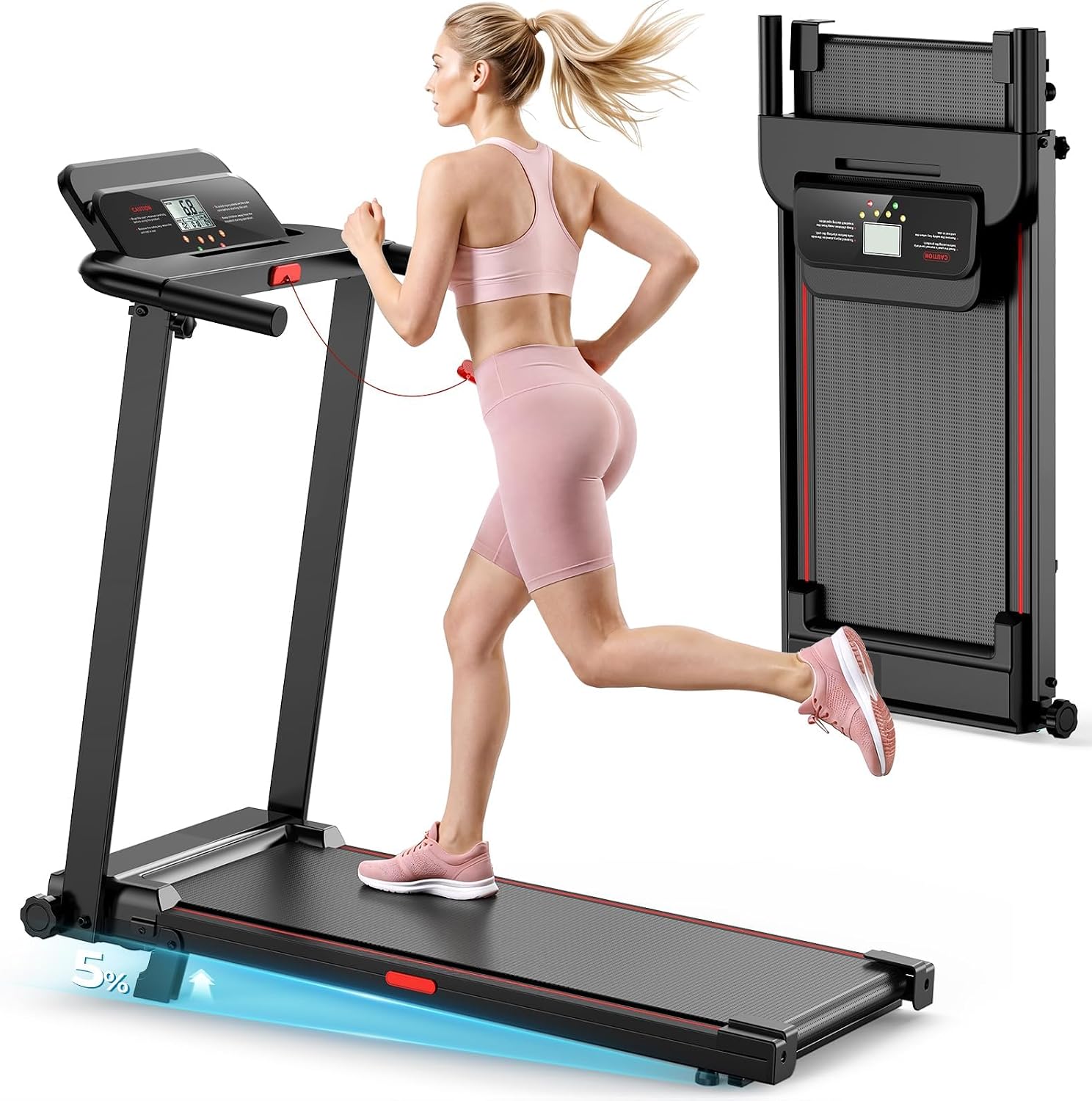
This is the machine I point most apartment dwellers toward, with one condition attached: you're walking, not running. The listing describes it as a foldable, portable, under desk capable pad with incline and a speed range of 0.6 to 6.2 MPH. That is a walking machine with a little hill work built in, and the incline is the part that earns its keep, because even a slight grade turns a flat walk into something your glutes and calves actually notice.
Three things I'd verify before buying. First, the fold and the wheels. Folding only counts if you can actually move the thing once it's folded, so picture the folded footprint in the spot where you plan to park it, then picture yourself rolling it there. Second, the incline. If the incline system feels like plastic blocks under the deck that wobble slightly, the whole machine is cutting corners somewhere else too, and that is the tell I trust most on a budget deck. Third, the lanyard.
Used a few times a week, any pad like this will eventually want silicone on the deck. That's the last section of this guide, and it's the cheapest thing you'll do for the machine.
The Redliro Walking Treadmill: Best for Seniors and Returners
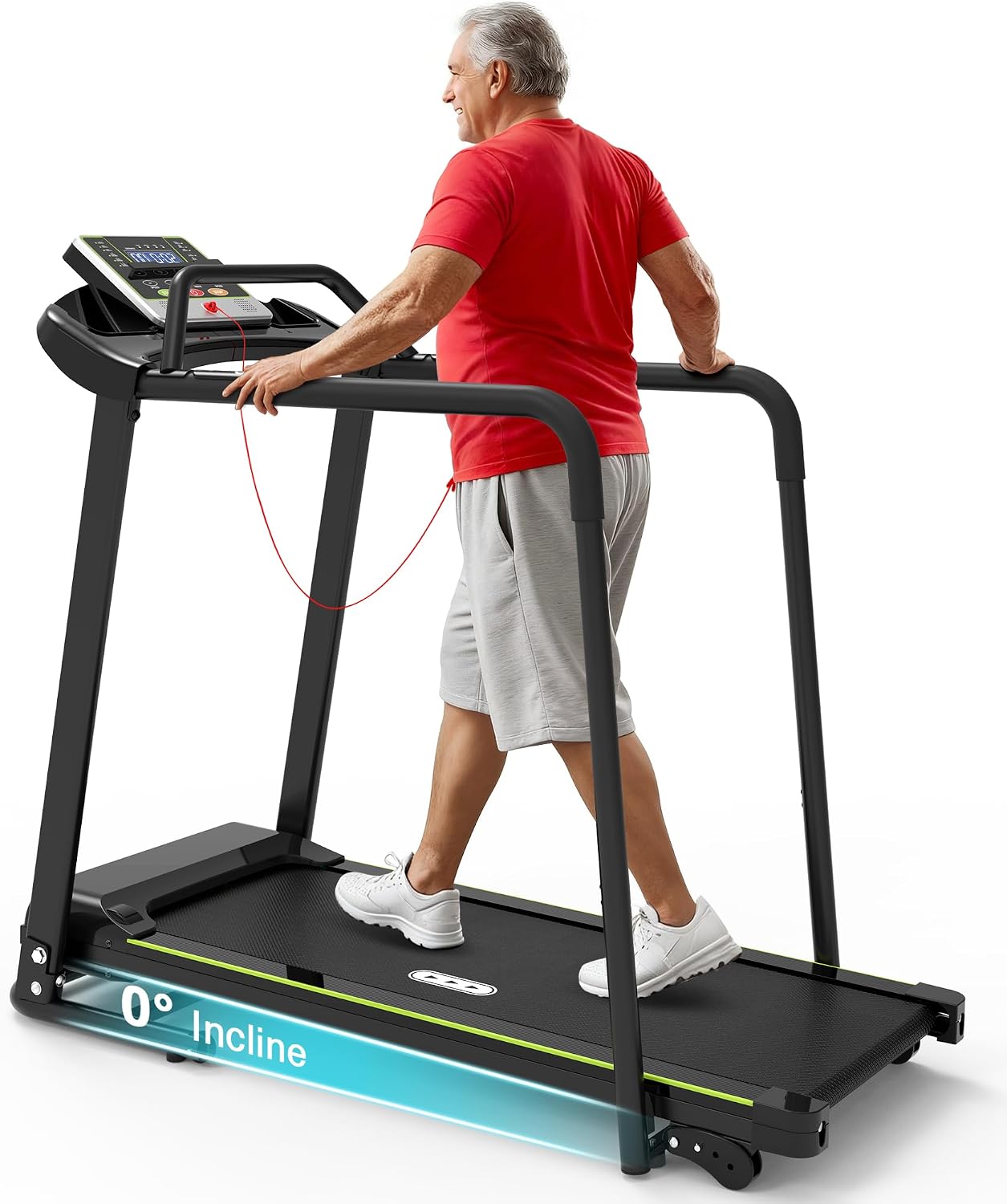
The long handrails are the entire point of this machine. Plenty of walking treadmills give you a stub of a console and nothing to hold, which is fine if you're steady on your feet and useless if you're not. Redliro built this one around rails you can actually grip, at a height that doesn't fold you in half to reach them. For a senior, a returner coming off an injury, or anyone whose balance isn't what it used to be, that rail is the difference between a machine you use every day and a machine you're quietly scared of.
Treat it as what it is: a walking treadmill. Walking pace, shorter sessions, a TV episode's worth of steps. It's also the machine I'd suggest for someone who wants to hold on while they rebuild the habit, which is a completely legitimate way to train and one that gets sneered at too often.
Before you buy, check the handrail height against your own height, check that the rails run long enough that your hands land naturally instead of behind you, and check the lanyard. Then measure the spot on the floor. This one stays set up more often than it folds, so give it a permanent corner if you can.
The NordicTrack Commercial Series: Best if You Actually Run Indoors
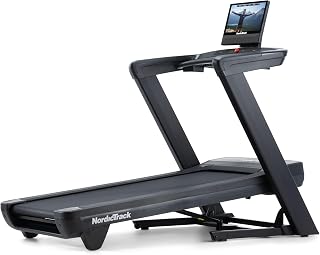
The Commercial series, the 1250, the 1750, and the 2450, is what people ask me about when they've decided to stop pretending. These are real treadmills: full size decks, motors built to be run on, and incline systems that aren't plastic blocks wobbling under your feet. If you're training for a race and the weather is your obstacle, this is the tier where that training actually happens, and it's the tier where I'd stop arguing about folding.
But be honest about your floor. A full size treadmill in a small living room is a $2,000 coat rack, and I've watched that happen to people I coach. It doesn't fold and roll the way a pad does, so it lives where it lives, and the space it takes is space you don't get back.
The series gives you three sizes, which is really a deck length question in disguise. The longer your stride, the further up the series you should look. If you're stuck between two of them, pick the one whose deck fits your stride at a full run, not the one with the bigger screen. Everything else is decoration.
The Spot On Belt Lubricant: The Cheap Part of the Job
This is 100 percent pure silicone, made in the USA, with an 8 inch application tube and a precision twist cap, and the tube is the whole reason I bring it up. Reaching the middle of a deck with a squeeze bottle is a mess, and a mess is why people stop doing maintenance. A long tube with a twist cap gets silicone under the belt without you pulling the belt off the rollers.
Lubrication is the cheapest thing you will ever do for a treadmill and the first thing most owners skip, right up until the belt starts dragging and the motor starts sounding tired. Every machine in this guide wants it eventually. The pad and the walking treadmill especially, because a walking belt runs slow and stays warm for a long time.
The treadmill reference table
This is the table I'd hand someone standing in my living room trying to decide. Each row is one of the products in this guide, what the listing says about it, and the first thing I'd verify before money changes hands. No machine gets a quiet claim from me without a noise check at walking speed, and no folding claim without me folding and wheeling it at least ten times.
| Machine | Best for | What the listing says | Verify first | Price |
|---|---|---|---|---|
 Visit on Amazon → Visit on Amazon →Folding walking pad with incline |
Small apartments, walking and light hill work | Foldable, portable, under desk capable, 0.6 to 6.2 MPH, with incline | Folded footprint, and whether the incline wobbles | $116.98 |
 Visit on Amazon → Visit on Amazon →Redliro walking treadmill |
Seniors, returners, anyone who wants a rail | Walking treadmill with long handrails for home use | Handrail height and reach at your own height | $399.99 |
 Visit on Amazon → Visit on Amazon →NordicTrack Commercial series |
Runners who train indoors and have the floor | Commercial 1250, 1750, and 2450 | Deck length for your full running stride | $1,999.00 |
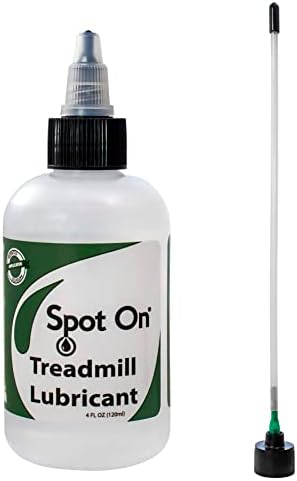 Visit on Amazon → Visit on Amazon →Spot On belt lubricant |
Every machine above, eventually | 100 percent pure silicone, 8 inch application tube, precision twist cap | That you actually use it a few times a year | $9.95 |
How I test a treadmill before I recommend it
No machine earns a spot in a guide like this without at least two weeks of real use in a real living room, not a showroom floor. Here's the standard, and it's the same set of checks you can run yourself while the return window is still open.
I check deck length at a full running stride, never at a walk, because a deck that feels fine at 2 MPH can feel cramped at 5. I take noise readings at walking speed with a call running, because a motor you can hear through the wall fails no matter how fast it goes. I fold and move the machine at least ten times, because the tenth fold is the one that tells you whether the hinge will annoy you for years. I put hands on the incline system and push, because incline blocks that wobble slightly tell you where else corners got cut. And the budget machines get a belt wear and wobble check after 200 miles, which is the point where cheap decks start talking.
Analysis: deck fit, motor noise, and the incline tell
Every machine here gets judged on three things: whether a full stride fits the deck, whether the motor stays quiet at the speed you'll actually use, and whether you can fold it and move it alone.
On deck fit, the split is simple. The folding pad and the Redliro are walking machines, and at walking pace their decks are fine. If you plan to run, neither of them is your machine, and no amount of enthusiasm changes that. The NordicTrack Commercial series is where running actually happens, and the three models exist mostly so you can match deck length to your stride.
On noise, walking speed is your friend. A pad used for walking at 0.6 to 6.2 MPH spends its life in the range where a motor is working least, which is exactly why I keep steering apartment dwellers toward walking machines instead of a big motor they'll never open up. Loud is a spec problem, but it's also a use problem. Most "whisper quiet" claims fail because someone bought 3.0 HP to walk at 2 MPH.
On the incline tell, this is the check I trust most on a budget machine. An incline system that feels like plastic blocks under the deck, with a little wobble in it, is a machine cutting corners somewhere you can't see. If the incline feels solid, the rest of the build usually follows.
And on maintenance: lubricant. It's a few dollars, it takes a minute, and it's the difference between a belt that runs smooth at 200 miles and one that drags. Every machine in this guide wants it.
Should you buy the folding walking pad with incline?
Yes, if you walk and you're short on floor space. It folds, it rolls, it handles walking pace, and the incline gives you a way to make a flat walk harder without adding speed. It's the machine I'd hand most apartment dwellers first. Just go in knowing it's a walking machine, and check the incline for wobble before you settle in with it.
Should you buy the Redliro walking treadmill?
Yes, if you want something to hold onto. The long handrails are the reason to pick this one over a plain pad, and for a senior or a returner that rail is a safety feature and a confidence feature at the same time. It's a walking treadmill, so don't ask it to be a running treadmill. If you want a rail and a longer deck for walking, this is the one.
Should you buy a NordicTrack Commercial series treadmill?
Yes, if you run indoors and you have the space, and no if you don't. These are the machines that make indoor training real, and the 1250, 1750, and 2450 mostly differ in how much deck you get. Buy the one that fits your stride at a full run. If the answer is "none of them fit in my living room," that's not a compromise, that's the right call, and a folding machine is the better purchase.
Should you buy the Spot On belt lubricant?
Yes, and buy it when you buy the machine, not after the belt starts dragging. Pure silicone, a long application tube, and a twist cap that doesn't make a mess. It's the least exciting purchase in this guide and probably the one that adds the most life to whatever you end up running on.
The bottom line
A treadmill is a tool for the days you can't get outside. It is not a substitute for running, and it is definitely not a reason to buy more machine than your apartment can hold. Fit the deck to your stride, fit the machine to your floor, and fold it and move it yourself before you commit. Then buy the lubricant, and use it. That's the whole test.